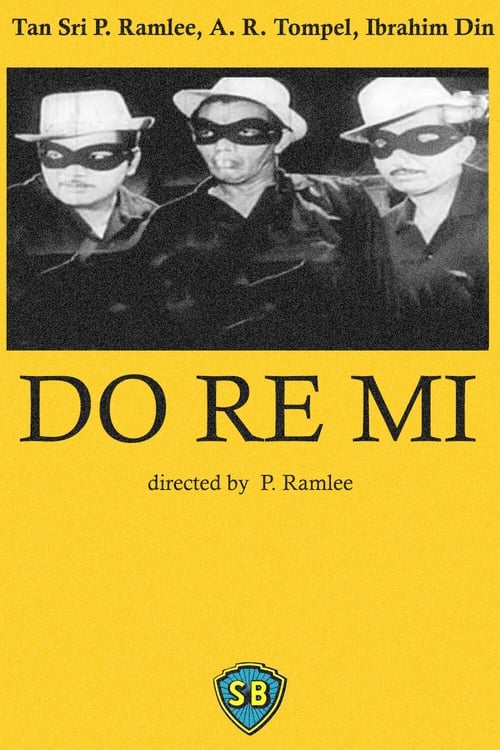
Do Re Mi
1966
No user ratings available yet
Representation score: 2.2 out of 10
Representation Score
Limited
1964
Director
P. Ramlee
Runtime
120 minutes
Average Rating
No ratings yetNew Showbiz Analysis
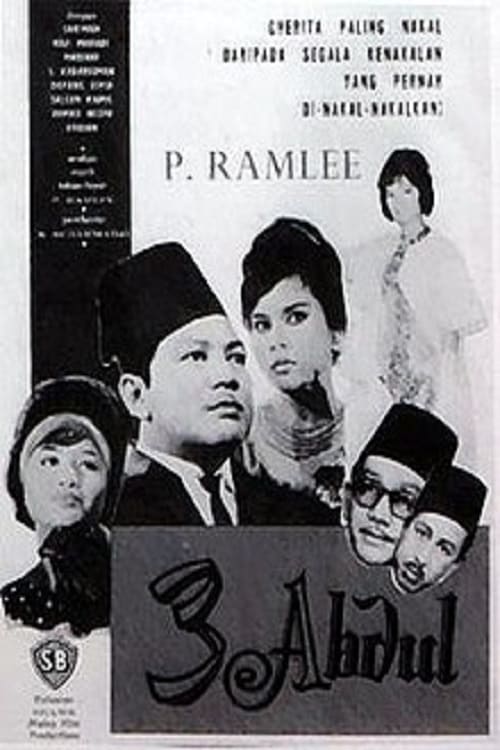
Tiga Abdul is a sophisticated comedic fable that uses satire to expose the arrogance of the wealthy elite. It examines human flaws and the dynamics of power through a traditional storytelling approach. The film effectively critiques class and authority through satire, presenting wealthy characters as victims of their own egos. However, it operates within the cinematic conventions of the 1960s, lacking broader representation of identity and gender.
Category Breakdown
The film follows a traditional storyline focused on heterosexual relationships and inheritance, without including any characters with non-binary gender identities.
Women in the film play key roles by using strategic marriages to outmaneuver male characters, challenging the dominance of male authority figures.
The movie features a cast primarily made up of Malay actors and highlights Southeast Asian cultural elements. Despite being set in a fictional Middle Eastern setting, the acting style retains its Malay essence.
The story employs satire to criticize social hierarchies and the pride of the wealthy. It also explores how family ties can be used as tools for personal gain.
The film does not prominently feature characters with physical or neurological disabilities as central plot points or character traits.
Present on Screen
Limited or Absent
Official Synopsis
Tiga Abdul (The Three Abduls) is a 1964 Malaysian comedy film directed by and starring P. Ramlee. It tells the story of three brothers who are caught in a web of trickery set by the cunning Sadiq Segaraga who uses his three daughters to fleece the three brothers of all their wealth. The movie is a tribute to traditional folktales with a moral set into the story and is set a fictional middle eastern country named Isketambola, which is loosely based on Istanbul, Turkey.
1966
1976
1966

1978
2006

1957

2010
1974
No reviews yet. Be the first to share your thoughts on this movie!
Use the rating form above to leave a star rating and optional review.