
Gerzek Şaban
1980
No user ratings available yet
Diversity score: 3.6 out of 10
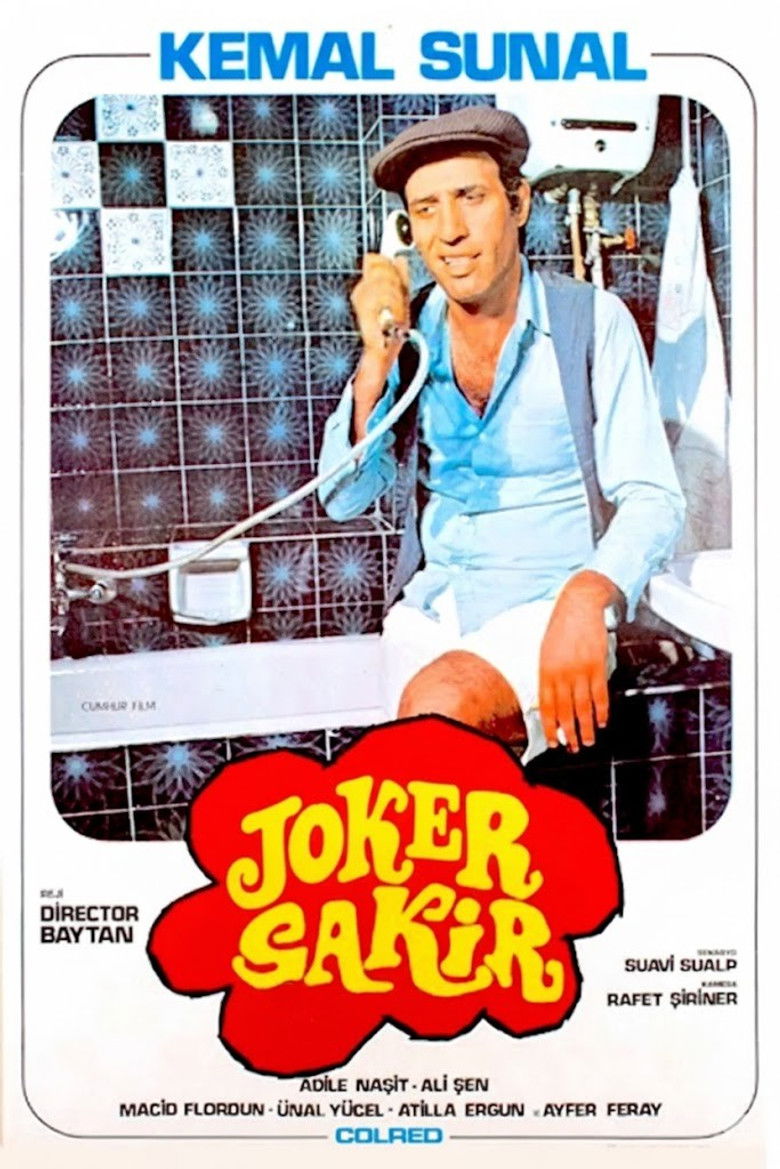
1977
Director
Natuk Baytan
Runtime
81 minutes
Average Rating
No ratings yetSynopsis
Shakir, who lives in Kayseri, has a great legacy from his uncle who died in Istanbul. His uncle sends a telegram to Kayseri and dies before seeing Shakir, but a relative who does not want to share the legacy begins to make plans to eliminate him.
Overall Score
Limited
Category Breakdown
LGBTQ+ Representation
The film operates within a strictly heteronormative framework. There is no discernible presence of queer themes or non-cisnormative identities.
Gender Representation
Male-centric slapstick drives the narrative, centering on the 'everyman' archetype. Female characters remain peripheral, functioning within traditional social roles rather than possessing significant agency.
Racial & Ethnic Diversity
The film presents a relatively homogeneous social landscape focused on the Turkish working class. It prioritizes socioeconomic identity over ethnic or racial intersectionality.
Religious & Cultural Diversity
The story utilizes a 'little man' trope depicting the struggle of the impoverished against systemic absurdity. It prioritizes situational ethics over formal religious or state-driven morality.
Disability Representation
Physical clumsiness is used as a comedic device for the protagonist. There is no evidence of characters with disabilities being portrayed with meaningful agency.
Strengths
Areas for Improvement
AI Analysis
Sakar Şakir is a quintessential piece of 1970s populist comedy that relies on traditional character archetypes. The film succeeds in portraying the resilience of the socioeconomically marginalized through the lens of a working-class hero. However, the narrative architecture reinforces established hierarchies rather than disrupting them. The focus remains on character-driven farce and situational humor rather than a deconstruction of systemic power or identity. Ultimately, the film reflects the cultural and temporal limitations of its era, prioritizing slapstick and socioeconomic relatability over diverse representation.
1980

1984
1984
1983

1976

2022
1971

2010

2009
1977
2007

2016
No reviews yet. Be the first to share your thoughts on this movie!
Use the rating form above to leave a star rating and optional review.