
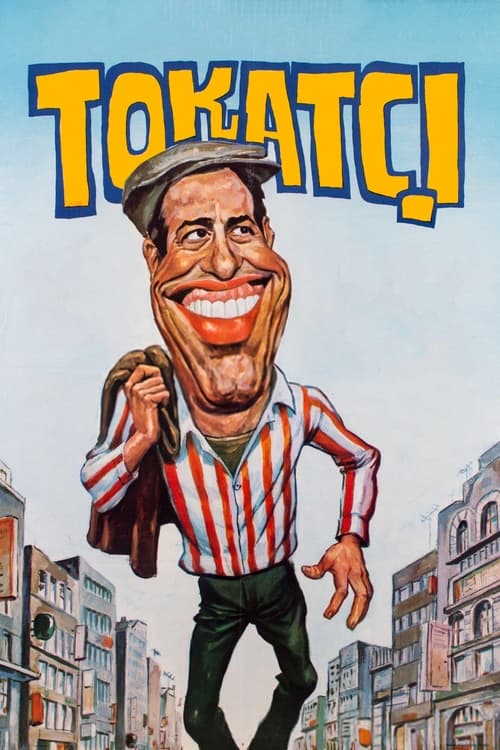
Feyzo, The Polite One
1978
No user ratings available yet
Representation score: 7.4 out of 10
Representation Score
Limited
1984
Director
Natuk Baytan
Runtime
83 minutes
Average Rating
No ratings yetNew Showbiz Analysis
Tokatçı primarily critiques class issues rather than exploring identity politics. It uses the 'little man' cliché to challenge local hierarchies and systemic poverty. However, the film adheres to traditional gender norms of its time, limiting female involvement in the story. Ultimately, the film focuses on socioeconomic struggles over broader social issues.
Category Breakdown
The film does not include any visible LGBTQ+ characters or narratives. It stays within the traditional social framework of 1980s rural Turkey.
Female characters mostly have supporting roles and rarely take the lead. They often act as prizes or catalysts for the male protagonist’s journey.
The cast is culturally uniform, reflecting a specific regional setting. Diversity is shown through detailed portrayals of working-class Turkish life rather than multi-ethnic representation.
Slapstick humor is used to criticize local power structures and village hierarchies. The film highlights the struggle against systemic poverty through an anti-capitalist perspective.
No characters with visible or invisible disabilities are featured as central plot devices.
Present on Screen
Limited or Absent
Official Synopsis
A tragicomedy dramatizing how an innocent villager is driven into the crime world only to collect enough cash to make his biggest dream come true: Return to his village home and marry the girl next door.
1978
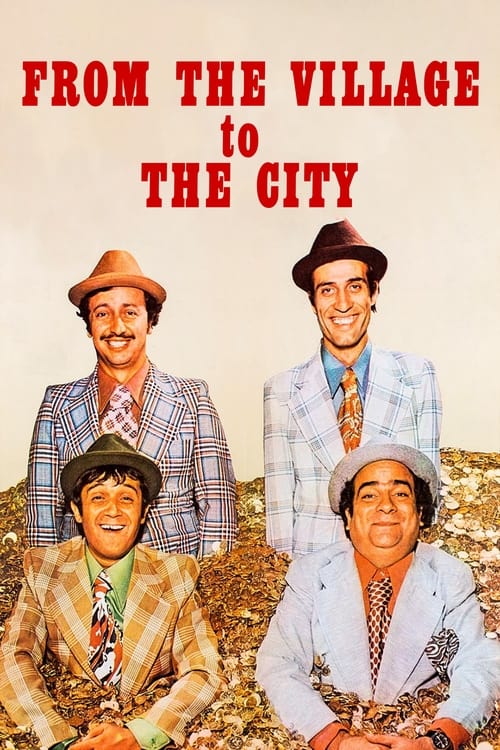
1974

1984
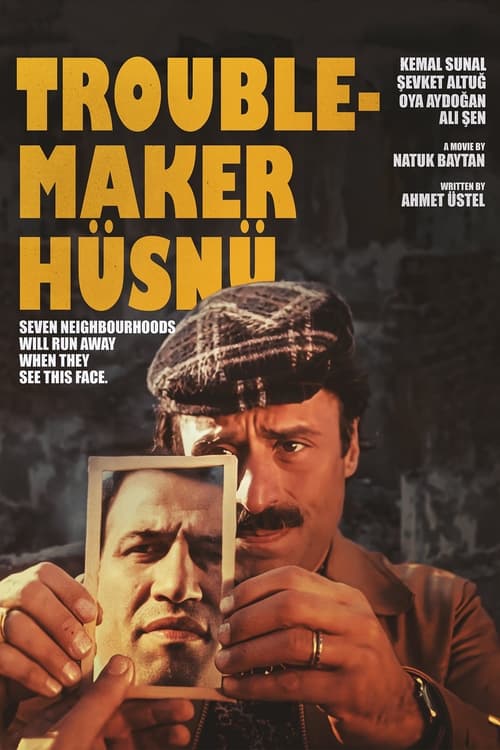
1983
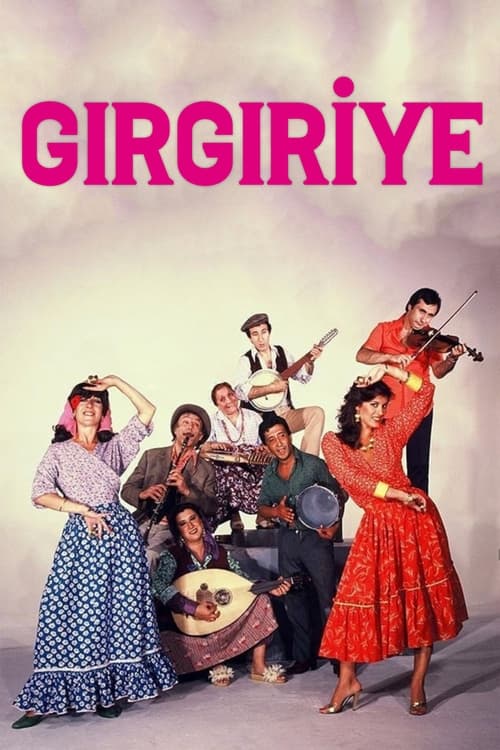
1981
1980
1981

1974
No reviews yet. Be the first to share your thoughts on this movie!
Use the rating form above to leave a star rating and optional review.