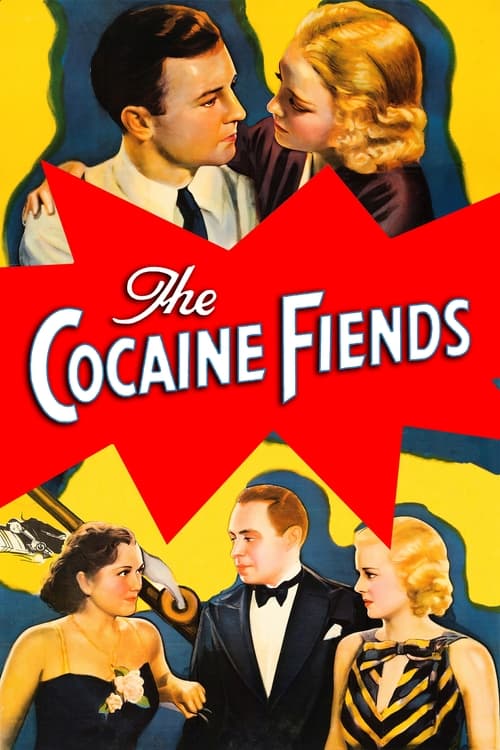
The Pace That Kills
1935
No user ratings available yet
Representation score: 0.9 out of 10
Representation Score
Limited
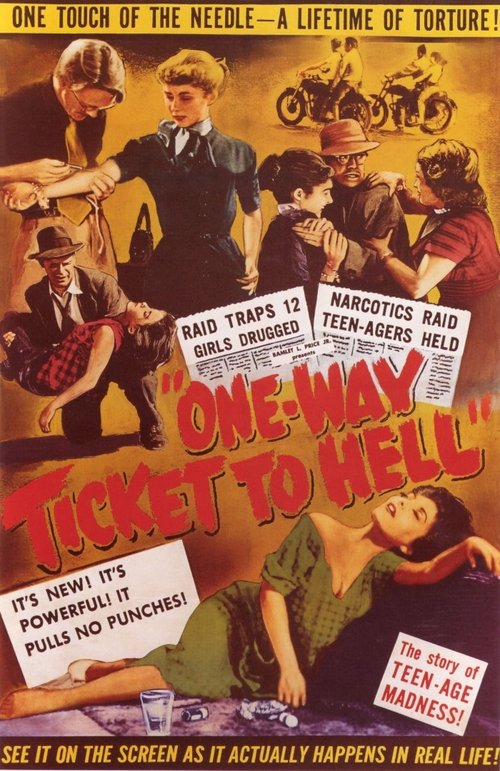
1955
Director
Bamlet Lawrence Price Jr.
Runtime
61 minutes
Average Rating
No ratings yetNew Showbiz Analysis
One Way Ticket to Hell is a product of its time, reflecting the conservative cinematic values of 1955. The narrative follows a standard mid-century melodrama structure, focusing on a female protagonist's descent into drug addiction through social influence. The film lacks depth in terms of racial, cultural, or LGBTQ+ representation. It appears to function primarily as a moralistic cautionary tale designed to uphold traditional social hierarchies and conventional adolescent behavior. Ultimately, the work prioritizes established social norms over any meaningful disruption of cultural or gendered expectations, resulting in a narrow and homogeneous perspective.
Category Breakdown
The film does not include any explicitly LGBTQ+ characters or non-straight relationships. The storyline focuses on a high school girl's struggle with addiction, suggesting a traditional mid-century dramatic structure.
While the story centers on a female protagonist, the themes often emphasize mid-century clichés of female vulnerability. There is no evidence of the female character challenging traditional social roles.
The narrative does not indicate a diverse cast. Given the 1955 setting, the film likely adheres to the homogeneous casting standards of mid-century Western cinema.
The film operates within a traditional moral framework, likely serving as a cautionary tale. It appears to reinforce existing social structures rather than offering systemic critiques.
The film's focus on substance addiction makes it unclear if the condition is treated with ability to act. There is insufficient evidence to determine the depth of this portrayal.
Present on Screen
Limited or Absent
Official Synopsis
An innocent high school girl becomes a drug addict after she falls in with the wrong crowd.
1935
1982
1958

1981
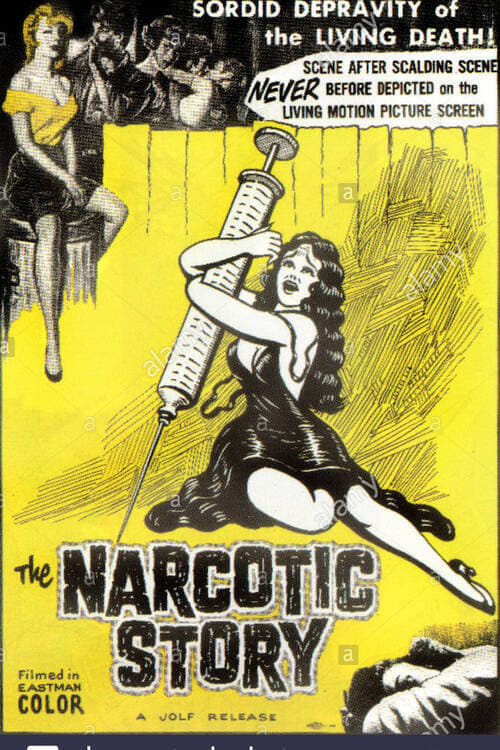
1958
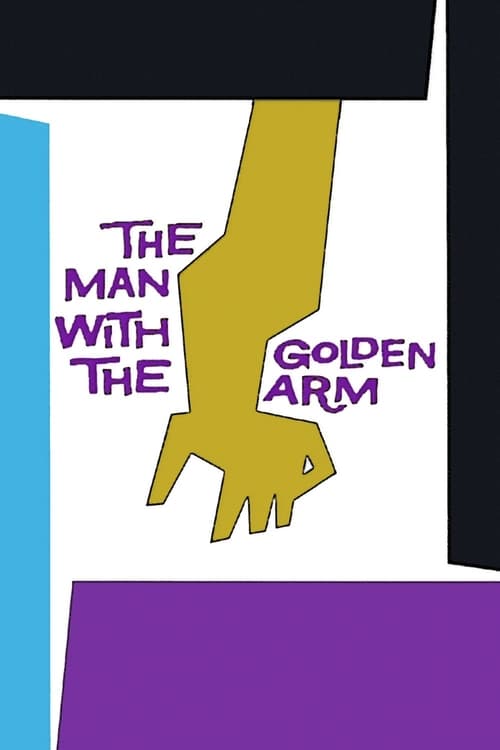
1955
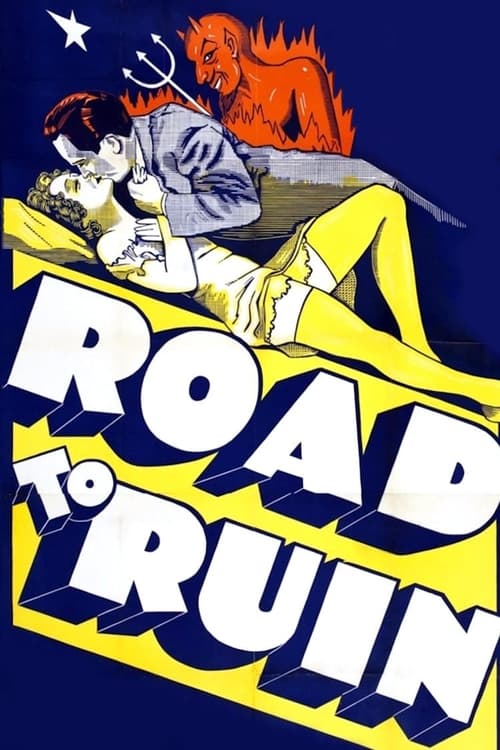
1934
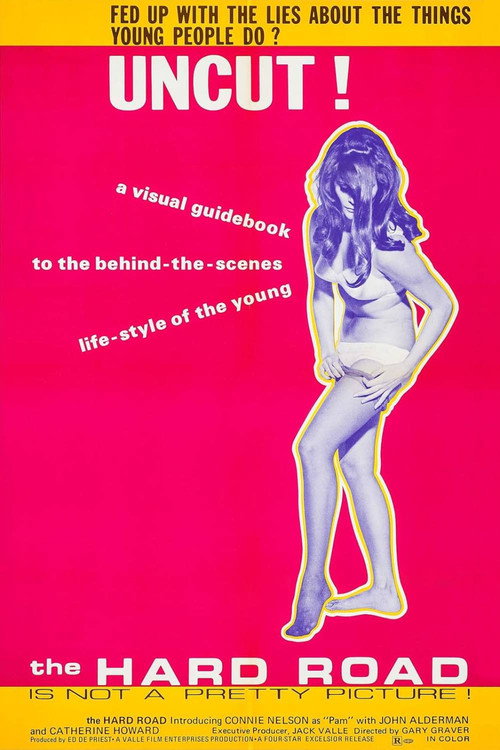
1973
No reviews yet. Be the first to share your thoughts on this movie!
Use the rating form above to leave a star rating and optional review.