
Trash
1970
No user ratings available yet
Representation score: 8.4 out of 10
Representation Score
Good
1982
RDirector
Rainer Werner Fassbinder
Runtime
105 minutes
Average Rating
No ratings yetNew Showbiz Analysis
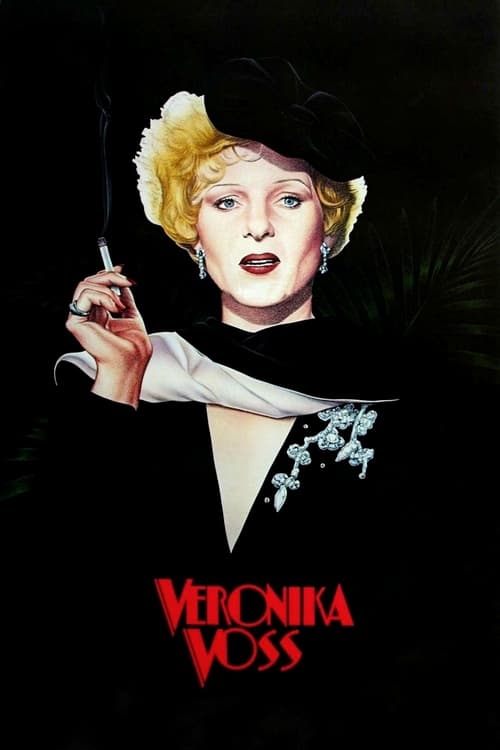
Veronika Voss is a profound exercise in postmodern deconstruction. While it lacks demographic breadth in terms of racial and LGBTQ+ visibility, it excels at subverting cultural and gendered norms. The film refuses to validate traditional Western institutions of prosperity. By framing the post-war social order as a site of predatory exploitation, the narrative critiques the foundations of the society it depicts. It prioritizes the deconstruction of social facades over cohesive, traditional storytelling. The work functions as a meta-commentary on the spectacle of celebrity, using a specific historical moment to explore individual nihilism and moral emptiness.
Category Breakdown
The film does not explicitly depict queer relationships or non-straight identities. Instead, it focuses on the exploitative nature of heterosexual relationships.
The story challenges traditional gender roles by emphasizing female vulnerability and systemic exploitation. It subverts feminine stereotypes through a predatory, clinical female-on-female power dynamic.
The cast is predominantly homogeneous, reflecting the socioeconomic context of 1955 Munich. There is no indication of multi-ethnic integration within this localized setting.
The film offers a sophisticated critique of the West German Economic Miracle. It portrays material prosperity as a facade for spiritual emptiness and systemic corruption.
The film provides a harrowing depiction of substance use disorder and physical decay. It avoids clichés by focusing on the tragic consequences of addiction and dependency.
Present on Screen
Limited or Absent
Official Synopsis
In Munich 1955, German film star Veronika Voss becomes a drug addict at the mercy of corrupt Dr. Marianne Katz, who keeps her supplied with morphine. After meeting sports writer Robert Krohn, Veronika begins to dream of a return to stardom. As the couple's relationship escalates in intensity, Veronika begins seriously planning her return to the screen -- only to realize how debilitated she has become through her drug habit.
1970

1979

1981

1983
2007

1982

1982

1955
No reviews yet. Be the first to share your thoughts on this movie!
Use the rating form above to leave a star rating and optional review.