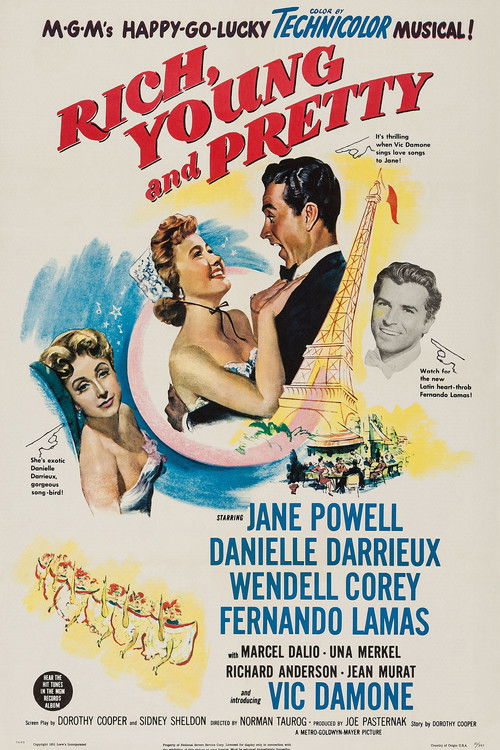
Rich, Young and Pretty
1951
No user ratings available yet
Representation score: 2.0 out of 10
Representation Score
Minimal
1965
Not RatedDirector
Don Weis
Runtime
87 minutes
Average Rating
No ratings yetNew Showbiz Analysis
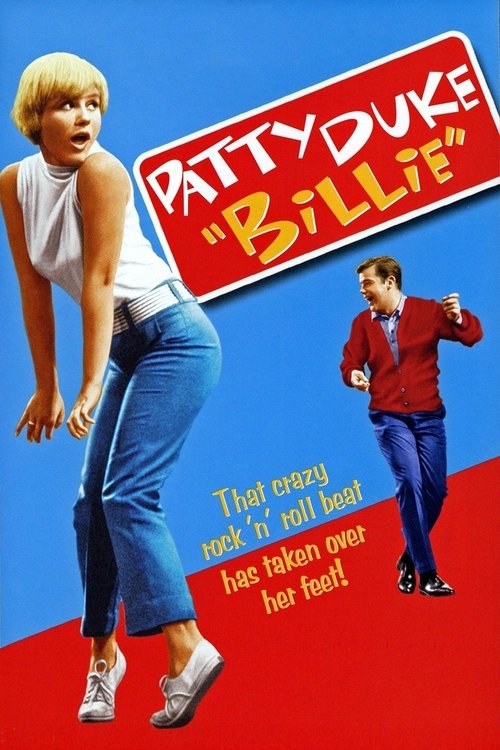
Billie (1965) offers a moderate challenge to mid-century gender norms by featuring a female athlete who defies traditional feminine stereotypes. This tomboy persona provides a rare glimpse of physical ability to act for women in 1960s cinema. However, the film's structure remains deeply conservative. The protagonist's journey is closely tied to the political ambitions and social standing of a male romantic interest's family, reinforcing traditional patriarchal hierarchies. Overall, the film serves as a period-specific character study that adheres to the social norms of its time, lacking broader multi-layered complexity or systemic critique.
Category Breakdown
The film does not include any characters with LGBTQ+ identities or same-sex relationships. The story focuses on a traditional romantic pairing.
The tomboy protagonist challenges 1960s feminine stereotypes through her athletic identity. However, her story is still tied to the traditional patriarchal structures of her boyfriend's family.
The provided information contains no details regarding the racial or ethnic composition of the cast. No assessment can be made.
The plot revolves around traditional mid-century social hierarchies and civic institutions. It explores conventional themes of family reputation and political standing.
There is no mention of characters with visible or invisible disabilities. The narrative does not provide any relevant information on this topic.
Present on Screen
Limited or Absent
Official Synopsis
A 16-year-old tomboy and high school athlete becomes embroiled with the lives around her boyfriend whose conservative father is running for mayor.
1951
1963

1947

2018
1955

1985

2001

1990
No reviews yet. Be the first to share your thoughts on this movie!
Use the rating form above to leave a star rating and optional review.