Yumeji
1991
No user ratings available yet
Diversity score: 5.3 out of 10
2009
Director
Banmei Takahashi
Runtime
127 minutes
Average Rating
No ratings yetSynopsis
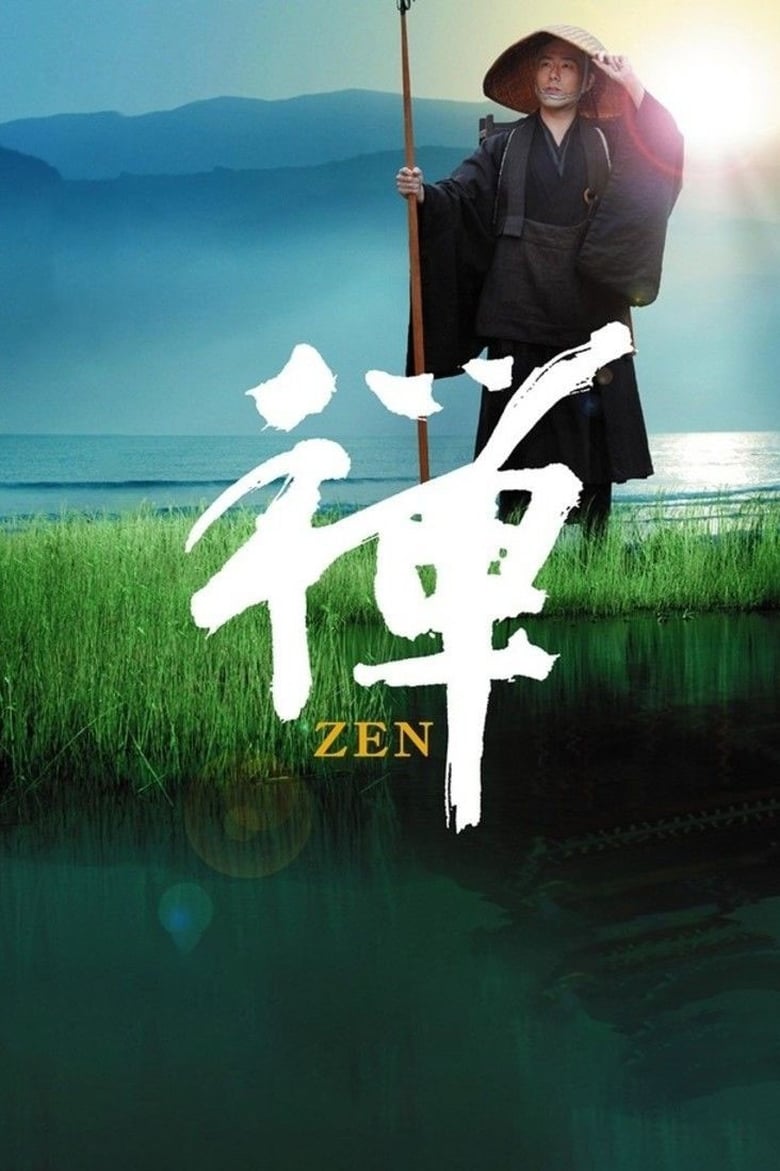
In the early 1200s, Dogen brought Chinese Zen philosophy to Japan, and established the Japanese Zen school of Buddhism. He taught that a person was capable of realizing Buddhahood within himself, by way of Zazen. Zazen is extended hours of sitting and meditating to achieve a state of “Mu” (nothingness, or empty existence).
Overall Score
Fair
Category Breakdown
LGBTQ+ Representation
The film focuses on the ascetic life of Dogen and monastic devotion. There are no visible LGBTQ+ character arcs or critiques of heteronormativity present in the narrative.
Gender Representation
The story centers on a male spiritual leader within a patriarchal religious institution. It lacks evidence of female characters exercising agency or subverting 13th-century gender roles.
Racial & Ethnic Diversity
This is a culturally specific drama depicting a homogeneous Japanese setting. It provides significant representation of East Asian philosophical history without utilizing diverse ethnic blending.
Religious & Cultural Diversity
The film excels by prioritizing Zen philosophy and non-Western spirituality. It successfully shifts the focus away from Western-centric religious frameworks toward Eastern epistemological truths.
Disability Representation
The narrative contains no mention of characters navigating physical or neurodivergent disabilities.
Strengths
Areas for Improvement
AI Analysis
Zen is a historical drama that prioritizes philosophical inquiry over modern social dynamics. It functions as a study of 13th-century Japanese Buddhism, centering on Dogen's journey toward spiritual realization. The film provides meaningful representation of non-Western intellectual history. By exploring the concept of 'Mu,' it challenges the dominance of Western spiritual narratives and offers a deep dive into Eastern thought. However, the historical setting limits intersectional complexity. The narrative lacks visible LGBTQ+ representation and focuses on a male-dominated monastic hierarchy, resulting in lower scores for gender and queer diversity.
1991
2018
2009
2025
2010

1981
1989
2018

1957
2008

2014
1974
No reviews yet. Be the first to share your thoughts on this movie!
Use the rating form above to leave a star rating and optional review.