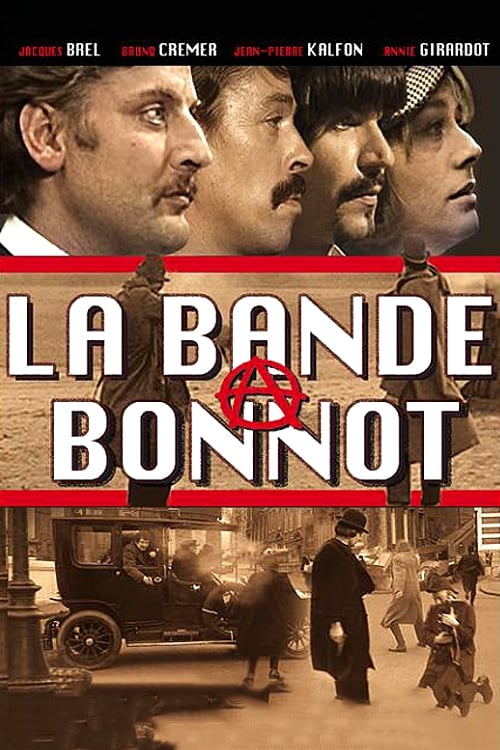
Bonnot's Gang
1968
No user ratings available yet
Representation score: 5.3 out of 10

Representation Score
Limited
2015
Director
Mathieu Denis
Runtime
119 minutes
Average Rating
No ratings yetNew Showbiz Analysis
Corbo is a grim psychological reconstruction that prioritizes historical and political radicalization over inclusive representation. While it offers a nuanced look at ethnic identity and anti-establishment sentiment, these strengths are offset by significant gaps in other areas. The film's portrayal of gender is particularly concerning, focusing on toxic masculinity and the victimization of women rather than empowering female characters. This creates a narrow, often violent, social landscape. Ultimately, the documentary serves as a study of systemic failure and individual pathology. It succeeds as a critique of 1960s social order but fails to provide meaningful representation for LGBTQ+ or disabled communities.
Category Breakdown
The film does not include any LGBTQ+ characters or narratives. The story focuses solely on the protagonist's radicalization and criminal activities, without any queer-coded subtext.
The narrative portrays extreme gender-based violence and predatory male behavior. Women are primarily shown as victims, reinforcing harmful power dynamics rather than challenging them.
Jean Corbo's mixed Quebecois and Italian heritage provides a nuanced look at ethnic blending in Montreal. This offers a subtle exploration of identity and belonging within a colonial context.
The film effectively critiques traditional Western institutions and social stability. It explores anti-establishment sentiment through the protagonist's involvement with the FLQ.
There is no intentional representation of neurodivergence or physical disability. The protagonist's mental processes are examined clinically rather than being portrayed in a nuanced manner.
Present on Screen
Limited or Absent
Official Synopsis
Montreal, spring 1966. Jean Corbo, 16 years old, born to a Quebec mother and an Italian father, is torn between his two affiliations. After befriending two young far-left activists, he joined the Front de Libération du Québec, an underground radical group. Jean, from then on, marches inexorably towards his destiny.
1968
2010

2008

2011

2021
2008
2013
2017
No reviews yet. Be the first to share your thoughts on this movie!
Use the rating form above to leave a star rating and optional review.