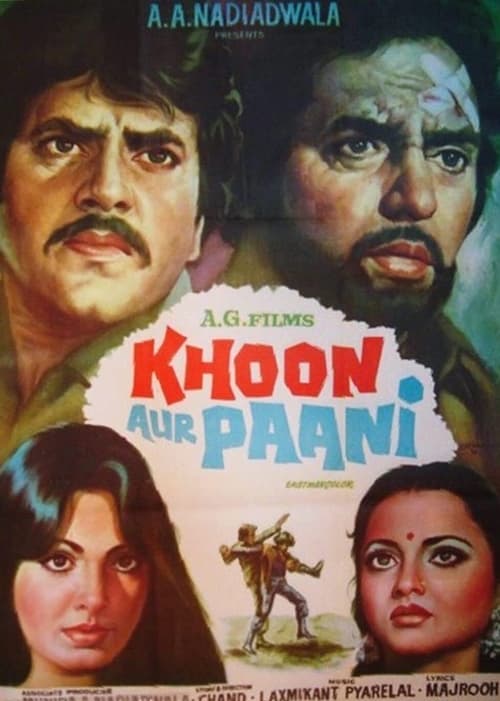
Khoon Aur Paani
1981
No user ratings available yet
Representation score: 3.7 out of 10

Representation Score
Limited
1961
Director
Nitin Bose
Runtime
178 minutes
Average Rating
No ratings yetNew Showbiz Analysis
Gunga Jumna is a social commentary that prioritizes class dynamics over modern multi-layered markers. It succeeds in portraying the struggle of the rural working class against systemic inequality and rigid legal structures. The film's strength lies in its nuanced view of the 'outlaw,' presenting banditry as a consequence of systemic failure rather than pure villainy. However, it remains tethered to the era's traditional gender hierarchies. While the film lacks representation for LGBTQ+ identities and disabilities, its sophisticated handling of socioeconomic friction provides a meaningful critique of institutional justice.
Category Breakdown
The film does not include any LGBTQ+ characters or non-cisgender identities. The story focuses solely on fraternal bonds and traditional family structures.
Female characters such as Govindi are confined to domestic and supportive roles. While central to the emotional plot, their influence is limited by socioeconomic conditions and traditional hierarchies.
The film offers an authentic portrayal of post-independence rural life through a predominantly Indian cast. It provides deep immersion into regional identity rather than Western-centric norms.
The narrative critiques class-based oppression and systemic poverty. It explores the tension between state authority and the lived realities of the underrepresented through the lens of institutional justice.
There is no representation of physical, sensory, or neurodivergent disabilities within the primary character arcs.
Present on Screen
Limited or Absent
Official Synopsis
Widowed Govindi lives a poor lifestyle in Haripur along with two sons, Gungaram and Jumna. While Jumna is studious, Gungaram is the opposite, but has a good heart and decides to use his earnings to ensure his brother gets a decent education. After her employer, Hariram, accuses Govindi of theft, the shock kills her. After her passing, Gungaram works for Hariram while Jumna goes to the city to study and becomes a police officer. His first assignment is in Haripur, where he will be forced to confront Gungaram, who is now is the leader of a dreaded band of killer bandits.
1981
1957
1974
1955
1943
1967
1980
1954
No reviews yet. Be the first to share your thoughts on this movie!
Use the rating form above to leave a star rating and optional review.