Yajamana
2000
No user ratings available yet
Representation score: 3.7 out of 10
Representation Score
Limited
1967
Director
Manoj Kumar
Runtime
175 minutes
Average Rating
No ratings yetNew Showbiz Analysis
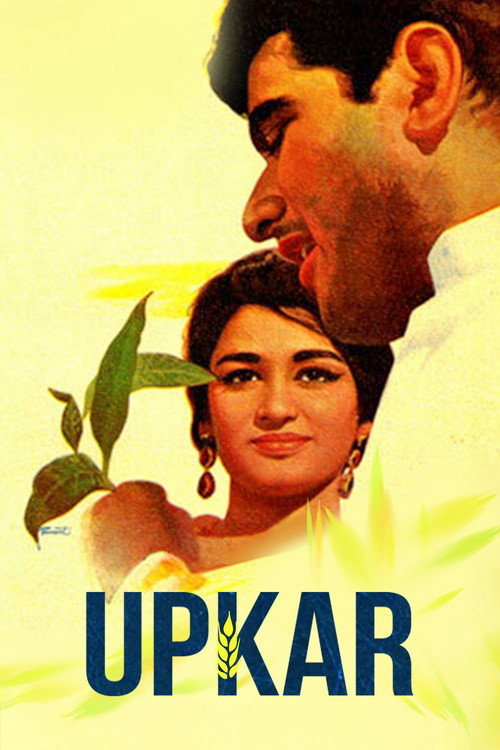
Upkar is a period drama that emphasizes national identity and traditional farming values. It explores the tension between rural customs and the negative impact of modernity, particularly through the lens of family obligations. The film successfully captures the essence of rural life in India, focusing on the peasantry. However, it leans on conventional social roles and traditional archetypes rather than delving into more complex layers of identity. Ultimately, the narrative serves as a moral tale, reinforcing traditional views on family and sacrifice, presenting a picture of 1960s rural India that upholds stability over challenging social norms.
Category Breakdown
The film follows traditional assumptions about straight relationships and gender matching those assigned at birth. There are no characters with non-traditional gender identities or same-sex relationships.
Radha embodies the 'suffering mother' stereotype, advancing the plot through her sacrifices. Despite having emotional strength, her role emphasizes traditional female duties and self-sacrifice.
The film offers a detailed look at rural life in India, focusing on the experiences of peasants rather than a Western viewpoint.
The story highlights traditional values centered around the family unit. It criticizes modern corruption using a conservative moral lens.
There are no visible or hidden disabilities that play a central role in the characters' stories or the plot development.
Present on Screen
Limited or Absent
Official Synopsis
Widowed Radha lives in rural India in the 1960s, along with two sons: Bharat and Puran. While she would like to educate her sons and ensure that they lead good lives, she cannot do so on her own, and must sacrifice the career of one son so that the second can achieve this goal. Bharat sacrifices everything to educate his brother Puran. However, Puran turns into a greedy man and gets involved in drug trafficking in order to make money.
2000
1957
1972
1955
1973

1993
1972
1982
No reviews yet. Be the first to share your thoughts on this movie!
Use the rating form above to leave a star rating and optional review.