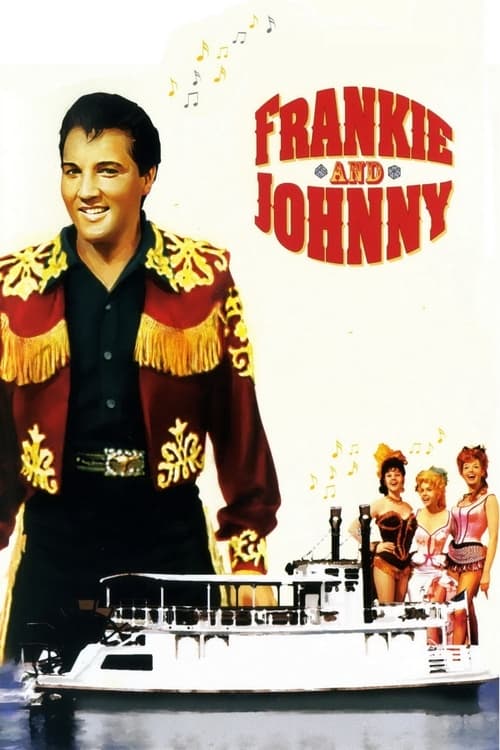
Frankie and Johnny
1966
No user ratings available yet
Representation score: 2.5 out of 10
Representation Score
Minimal
1956
NRDirector
Roy Rowland
Runtime
112 minutes
Average Rating
No ratings yetNew Showbiz Analysis
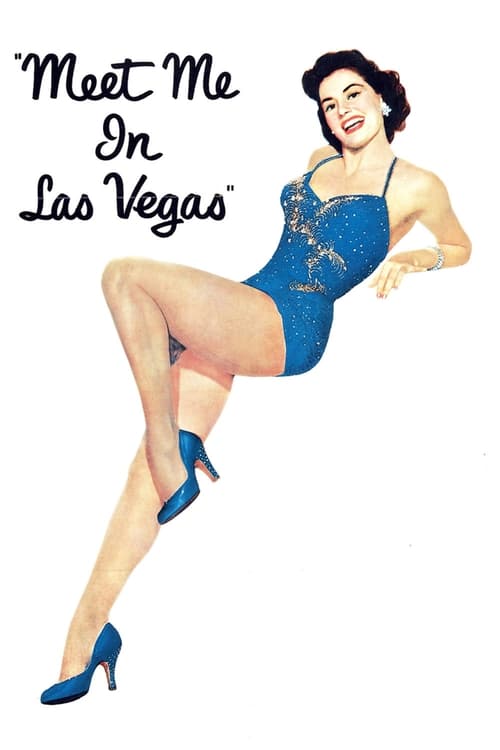
Meet Me in Las Vegas is a quintessential mid-century musical comedy that adheres strictly to the social norms of its time. The narrative prioritizes conventional romantic clichés and escapist entertainment over any meaningful social critique. The film reinforces traditional gender roles, particularly through a plot mechanism that links a man's success to his physical connection with a woman. This framing limits the female lead's role within the story. Ultimately, the production reflects the homogeneous cultural and racial norms of 1950s Hollywood. It lacks the intentionality needed to disrupt established social frameworks, serving instead as a standard product of the studio system.
Category Breakdown
The film focuses on a heterosexual romance between a male character and a female dancer, reflecting the strict orientation boundaries typical of the 1950s studio era.
The plot hinges on a traditional courtship scenario where the male lead's success depends on his proximity to the female lead. This setup suggests that the female lead's role is secondary to the male's objectives.
The setting includes a gambling cowboy and a dancer in Las Vegas, suggesting a standard mid-century American environment that historically favored homogeneous white casts.
The story employs mid-century Americana clichés, celebrating traditional Western settings and romantic ideals. It serves as a typical escapist musical comedy without challenging Western institutions.
There are no characters with visible or invisible disabilities mentioned in the narrative.
Present on Screen
Limited or Absent
Official Synopsis
Chuck Rodwell is a gambling cowboy who discovers that he's lucky at the roulette wheel if he holds hands with dancer Marie. However, Marie doesn't like to hold hands with him, at least not in the beginning...
1966

1964
1956
1937
1950
1954
1955
1951
No reviews yet. Be the first to share your thoughts on this movie!
Use the rating form above to leave a star rating and optional review.