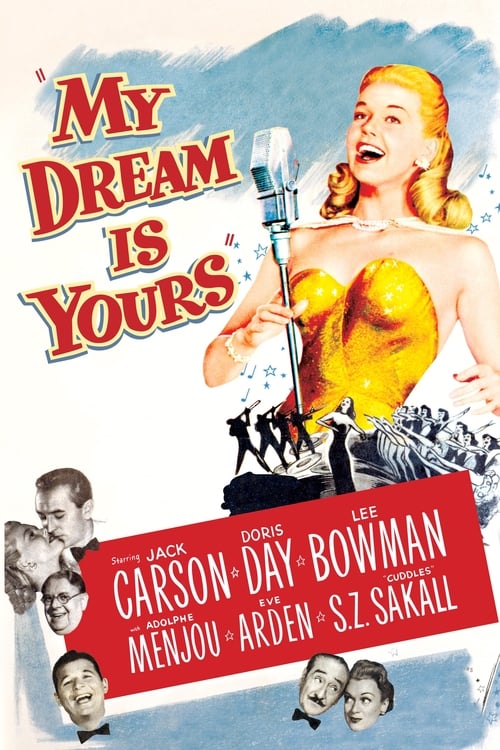
My Dream Is Yours
1949
No user ratings available yet
Representation score: 2.1 out of 10
Representation Score
Minimal
1954
NRDirector
Jack Donohue
Runtime
100 minutes
Average Rating
No ratings yetNew Showbiz Analysis
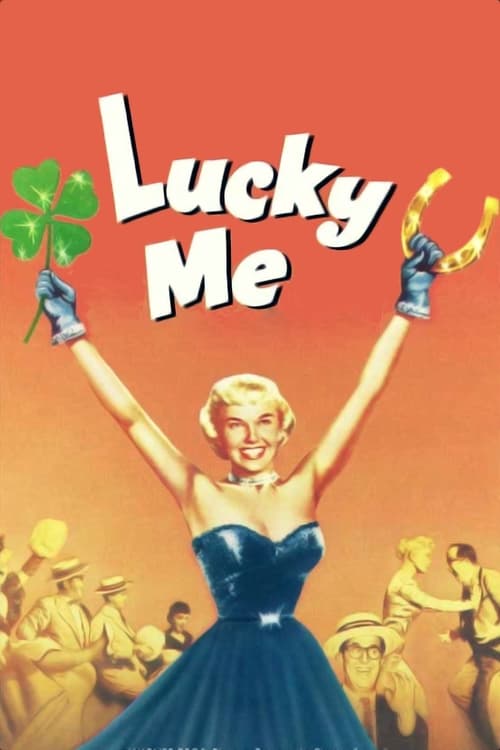
Lucky Me is a classic mid-century studio musical that adheres to the social norms of its time. It functions as a traditional romantic comedy where success is defined by romantic union and socioeconomic stability. The film does not aim to disrupt conventional expectations. Instead, it offers a standard portrayal of 1950s American social norms, focusing on white, high-society urban environments and traditional gender roles. Overall, the production reinforces existing social structures rather than challenging them, making it a period-specific artifact of demographic and social homogeneity.
Category Breakdown
The film sticks to traditional heterosexual relationships and does not include any LGBTQ+ identities or same-sex interactions.
Jane Wyman's character is central but her influence is tied to romantic pursuits. The story upholds traditional gender roles and societal norms of the mid-20th century.
The cast mirrors the homogeneous demographics of 1950s Hollywood. The story is set in a predominantly white, high-society urban environment without any ethnic diversity.
The narrative celebrates Western capitalist ideals and upward mobility. It portrays the pursuit of fame and wealth as desirable and normal.
There is no visible or invisible disability representation. All characters are shown as fully able-bodied within the musical comedy genre.
Present on Screen
Limited or Absent
Official Synopsis
Three struggling theatrical performers meet a famous songwriter who is trying to convince a wealthy oilman to finance a musical he is scripting, promising them stardom if it comes to fruition.
1949
1933
1952

1953
1943
1951
1939
1950
No reviews yet. Be the first to share your thoughts on this movie!
Use the rating form above to leave a star rating and optional review.