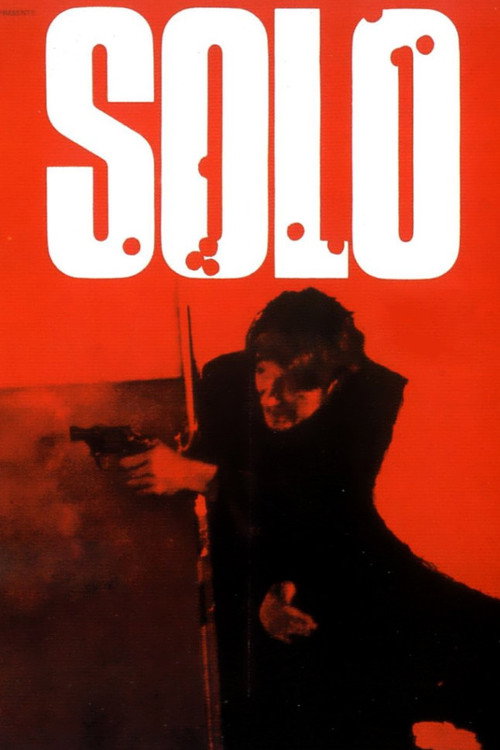
Solo
1970
No user ratings available yet
Representation score: 3.7 out of 10

Representation Score
Good
1979
Director
Jean-Pierre Mocky
Runtime
90 minutes
Average Rating
No ratings yetNew Showbiz Analysis
Jean-Pierre Mocky’s film is a satirical critique of authority that prioritizes ideological subversion over diverse representation. Its strength lies in its cultural rebellion, using the spirit of the 1968 protests to dismantle institutional stability and bourgeois sensibilities. However, the film is limited by the era's demographic norms. It lacks meaningful representation for LGBTQ+ individuals, racial diversity, and characters with disabilities, resulting in a largely homogeneous social landscape. Ultimately, the work functions as a postmodern critique of the 'system.' It trades diverse casting for a focused, radical challenge to the political and social structures of the time.
Category Breakdown
The film does not feature explicit LGBTQ+ storylines or characters with significant roles. While it challenges societal norms, it assumes everyone is straight or cisgender.
Gender hierarchies are challenged through chaotic and irreverent interactions. However, there are no high-profile female characters, and the focus is on undermining traditional male leadership through absurdity.
The cast appears largely homogeneous, reflecting the demographics of 1970s provincial France. There are no significant non-white characters driving the plot.
The film excels at critiquing Western institutions and the state. It uses satire and moral relativism to challenge the sanctity of provincial social order and traditional authority.
Characters are defined by psychological eccentricity rather than specific physical or neurodivergent disabilities. No prominent characters with disabilities play a significant role in the story.
Present on Screen
Limited or Absent
Official Synopsis
Ten years after the French political upheavals of 1968, a maturing "soixante-huitard" falls in with some young radicals who are influenced by a book he had written. But does he still have the guts to translate his ideas into acts against the state? And is he still attractive to younger chicks?
1970
1967
1976
1977
1979

2015

1969
1974
No reviews yet. Be the first to share your thoughts on this movie!
Use the rating form above to leave a star rating and optional review.