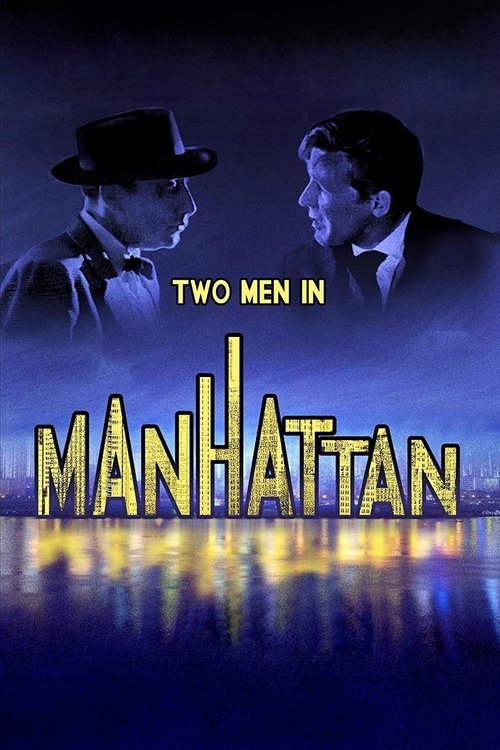
Two Men in Manhattan
1959
No user ratings available yet
Representation score: 2.9 out of 10
Representation Score
Fair
1974
Director
Jean-Claude Lord
Runtime
113 minutes
Average Rating
No ratings yetNew Showbiz Analysis
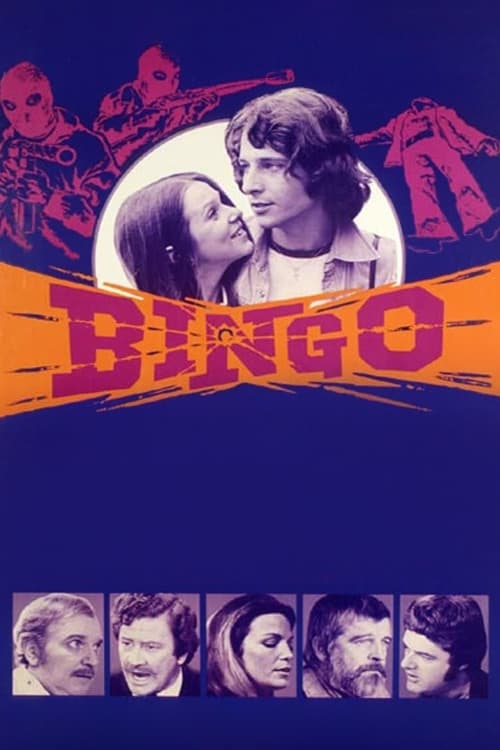
Bingo is a thriller set during the mid-20th century, where the complexity lies in systemic instability rather than modern identity politics. It uses the backdrop of the October Crisis to question the legitimacy of state authority and right-wing dominance. The narrative structure dismantles established power dynamics. Although it does not explore multiple aspects of diversity, it effectively critiques ethnic and linguistic identity politics within a North American context. Overall, the film serves as a critique of traditional institutions, focusing on the disruption of the status quo through political activism.
Category Breakdown
The film does not include explicit LGBTQ+ characters or stories focused on non-straight relationships. Instead, it emphasizes political and class conflicts over personal identity issues, reflecting the historical context of the time.
The story revolves around a male photographer entangled in a political conspiracy. While there are notable female characters such as Alexandra Stewart, the main thriller elements remain centered on the male protagonist.
The film focuses on Québécois identity and the tension between French-speaking and English-speaking communities. It delves into the politics of language rather than showcasing diverse racial backgrounds.
The movie provides a strong critique of traditional Western governance by centering on a plot against a right-wing politician. It examines the morality of resisting established state authority.
The film does not depict any characters with physical or cognitive disabilities.
Present on Screen
Limited or Absent
Official Synopsis
A young photographer is entangled in a terrorist plot against a right wing politician in an election campaign.
1959
1992
1982

1979
1970

1975
1977

1977
No reviews yet. Be the first to share your thoughts on this movie!
Use the rating form above to leave a star rating and optional review.