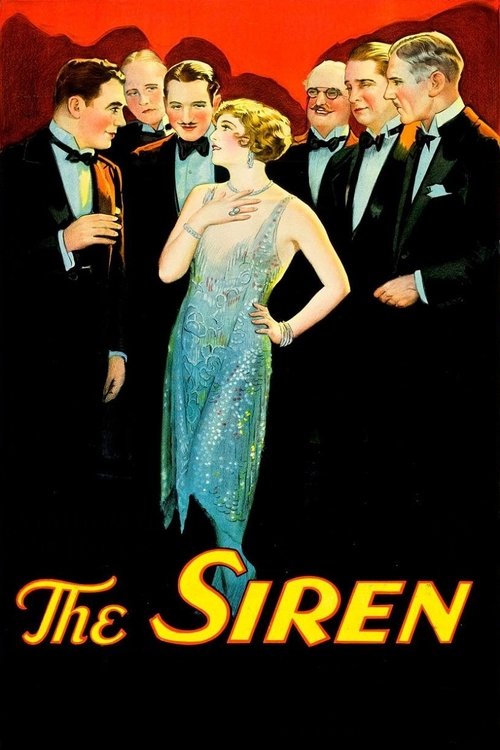
The Siren
1927
No user ratings available yet
Diversity score: 1.8 out of 10

1927
PassedDirector
Phil Rosen
Runtime
58 minutes
Average Rating
No ratings yetSynopsis
Two married couples, Doris (Helen Chadwick) and John Manning (Gayne Whitman) and Clara (Dorothy Revier) and Herbert Bradley (Ray Ripley), each separate as a result of domestic arguments. After certain misunderstandings and false accusations, peace is returned on the home front.
Overall Score
Minimal
Category Breakdown
LGBTQ+ Representation
The film focuses entirely on heteronormative marital structures. There is no evidence of non-cisnormative identities or narratives that challenge traditional sexual orientations.
Gender Representation
Women like Doris and Clara are central to the plot's conflict. However, the resolution suggests a return to traditional domestic roles rather than a subversion of gender hierarchies.
Racial & Ethnic Diversity
The film likely reflects the homogeneous casting standards of 1927. It centers on a white, Western social framework without any mention of a diverse cast.
Religious & Cultural Diversity
The narrative prioritizes the preservation of the traditional family unit. It aligns with conservative social ideals regarding the sanctity of marriage and domestic stability.
Disability Representation
There is no evidence of characters possessing visible or invisible disabilities within the film's context.
Strengths
Areas for Improvement
AI Analysis
Stolen Pleasures is a conventional domestic drama that reinforces the social hierarchies of the 1920s. The plot centers on two married couples navigating interpersonal conflicts and misunderstandings. The film's resolution focuses on returning peace to the home front, which emphasizes the stability of the nuclear family. This narrative arc serves to uphold traditional domestic order rather than critique it. Ultimately, the work lacks intersectional complexity. It functions as a period piece that reinforces established cultural norms through its focus on marital reconciliation and social harmony.
1927
1924
1932

1934
1931
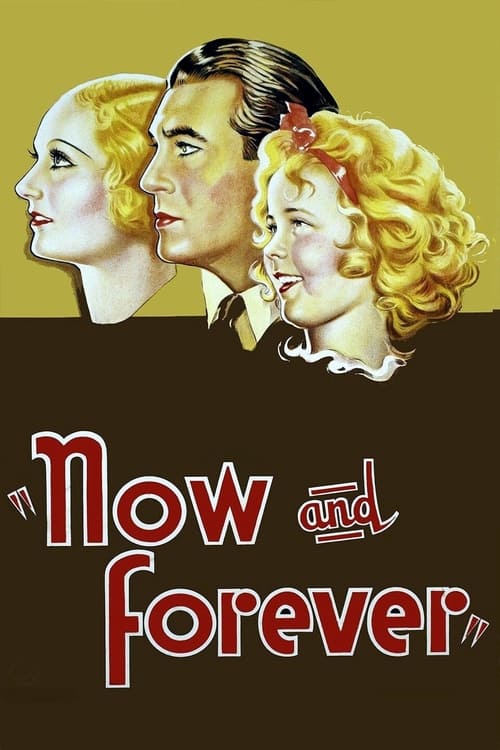
1934
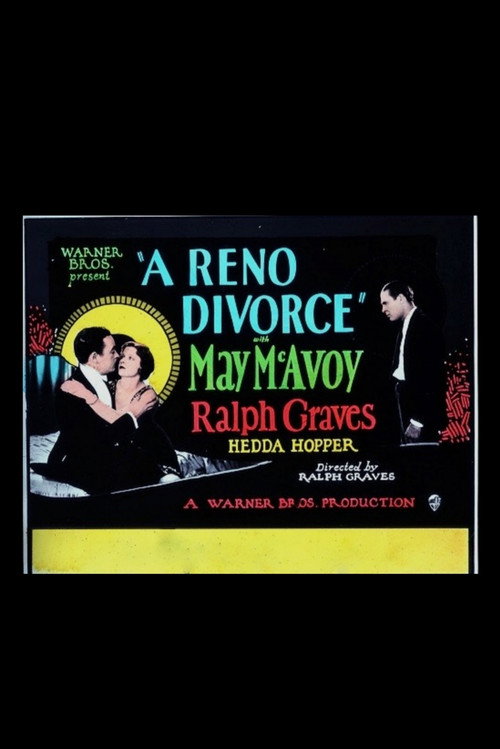
1927
1932
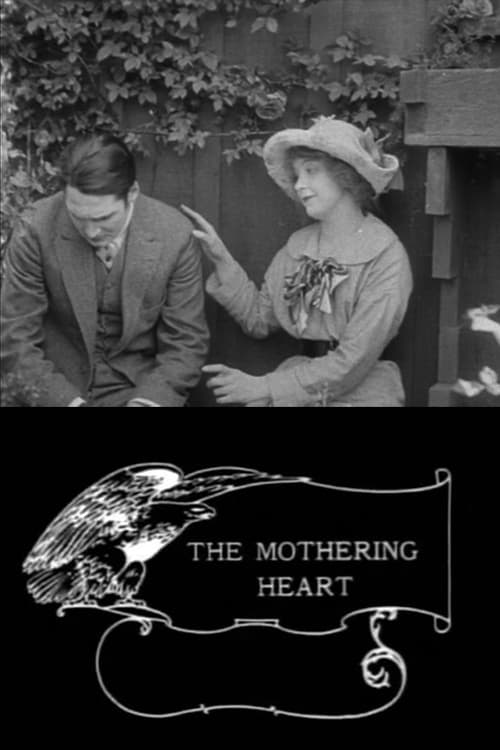
1913
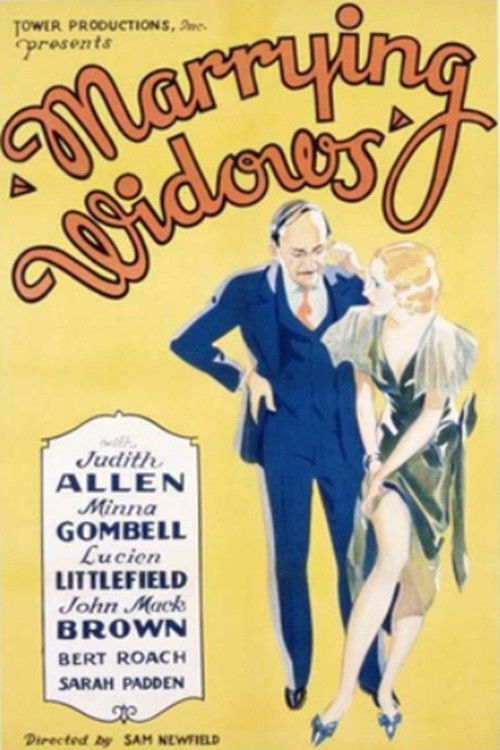
1934
1933
1934
No reviews yet. Be the first to share your thoughts on this movie!
Use the rating form above to leave a star rating and optional review.