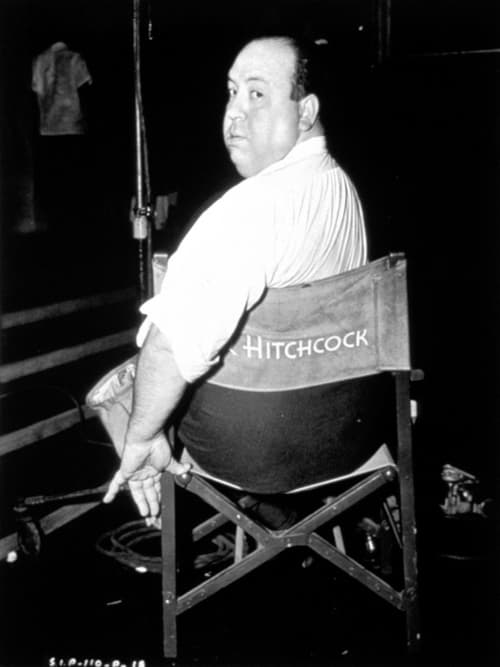
Alfred Hitchcock. La ficción sin Límites
1999
No user ratings available yet
Representation score: 3.5 out of 10
No Poster Available
Representation Score
Minimal
1999
o.Al.Director
Birgit Lehmann
Runtime
15 minutes
Average Rating
No ratings yetNew Showbiz Analysis
Birgit Lehmann’s documentary centers on a specific historical event in Germany, focusing on archival inquiry and the 'butterfly effect' of a 1956 encounter. It operates within a traditional biographical framework, emphasizing a singular historical moment rather than broad social representation. The film’s narrow focus on a European historical context limits its engagement with diverse social hierarchies and non-Western perspectives. Consequently, it does not intentionally address modern representation standards.
Category Breakdown
The film contains no evidence of LGBTQ+ characters or themes. The subject matter focuses strictly on a historical meeting involving Hitchcock.
The film focuses on a male figure and a female figure, exploring the impact of a woman on a male creator's legacy. However, it does not challenge traditional gender roles.
Set in Germany, the film reflects the demographic homogeneity of mid-20th-century Europe. It does not include a multi-ethnic cast or non-Western perspectives.
The documentary delves into historical memory and cinematic legends, subtly challenging the 'great man' theory by highlighting the influence of an overlooked individual.
There is no information on the portrayal of physical or neurodivergent disabilities in this documentary.
Present on Screen
Limited or Absent
Official Synopsis
In 1956 Hitchcock was in Auerstedt, where an encounter inspired him to make some of his greatest masterpieces…
1999

2015

1999

2017

2021

2023
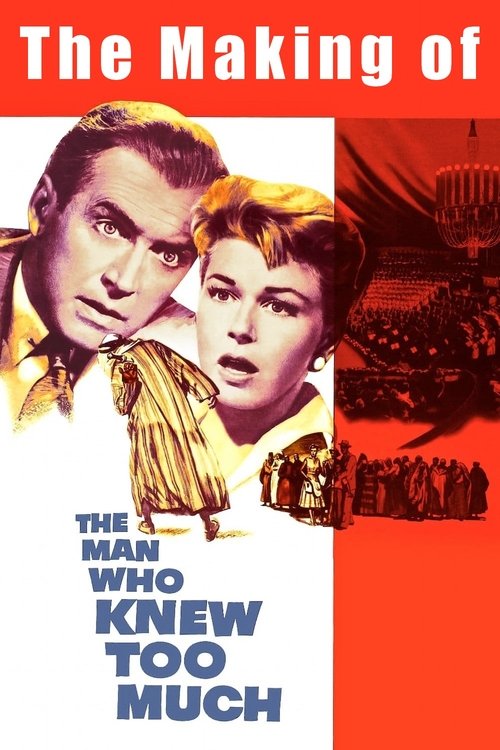
2000

2000
No reviews yet. Be the first to share your thoughts on this movie!
Use the rating form above to leave a star rating and optional review.