Within the Law
1939
No user ratings available yet
Diversity score: 2.7 out of 10
1930
NRDirector
John Cromwell
Runtime
65 minutes
Average Rating
No ratings yetSynopsis
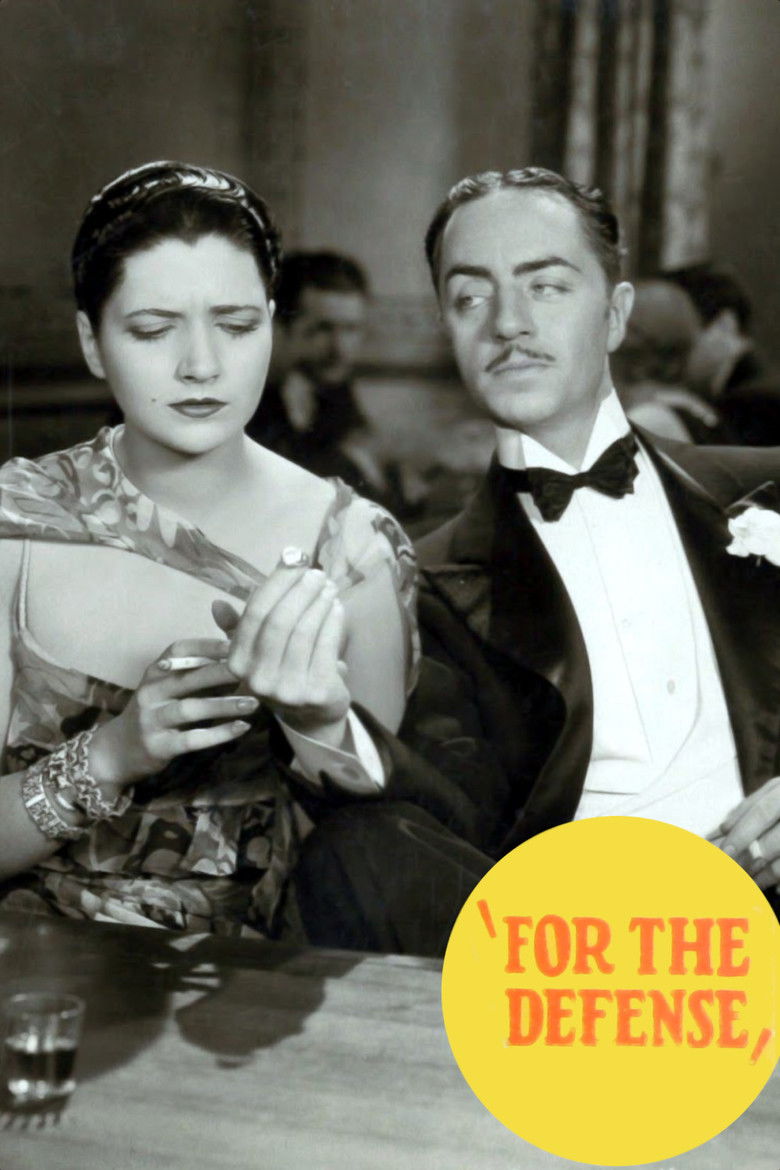
William Foster is a slick attorney who stays within the law, but specializes in representing crooks and shady characters. He's adept at keeping them out of jail, winning acquittals, and having decisions reversed, thus springing criminals out of prison. He is romantically involved with dancer Irene Manners, who is two-timing him, although she wants to marry him. She kills a man driving while out with her other man, Jack Defoe, who takes the blame. Unfortunately, a ring Foster had just given Irene is found at the crime scene. Foster ends up defending Jack, but when the ring is found, he thinks he is protecting Irene, so pleads guilty to jury tampering.
Overall Score
Limited
Category Breakdown
LGBTQ+ Representation
The film centers on a traditional heterosexual romantic triangle. No queer identities or subtext are present in the character arcs.
Gender Representation
Irene Manners serves as the narrative's primary catalyst rather than a passive interest. Her infidelity and accidental homicide drive the central legal and moral crisis.
Racial & Ethnic Diversity
The cast appears predominantly homogeneous, reflecting standard 1930s Hollywood casting. There is no evidence of characters of color in positions of agency.
Religious & Cultural Diversity
The story critiques institutional authority by prioritizing personal loyalty over systemic legal truth. It explores moral relativism through the protagonist's subjective ethics.
Disability Representation
The plot contains no discernible representation of physical, sensory, or neurodivergent disabilities.
Strengths
Areas for Improvement
AI Analysis
For the Defense is a period-specific exploration of moral ambiguity that prioritizes character agency over institutional infallibility. While it lacks intersectional diversity, it succeeds in subverting traditional gender roles by placing a woman's actions at the center of the protagonist's downfall. The film's strength lies in its nuanced approach to legal morality and the friction between personal ethics and the law. However, it remains limited by the era's casting norms, offering almost no representation of racial, ethnic, or LGBTQ+ identities. Ultimately, the film functions as a character-driven drama where the legal procedural is secondary to the complex, often messy, human motivations driving the conflict.
1939
1958

1937

1933

1932

1931
1940
1926
1939
1928
1923
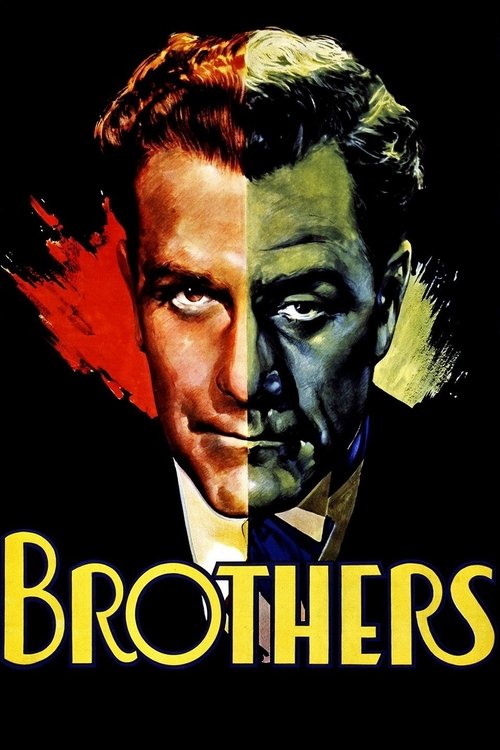
1930
No reviews yet. Be the first to share your thoughts on this movie!
Use the rating form above to leave a star rating and optional review.