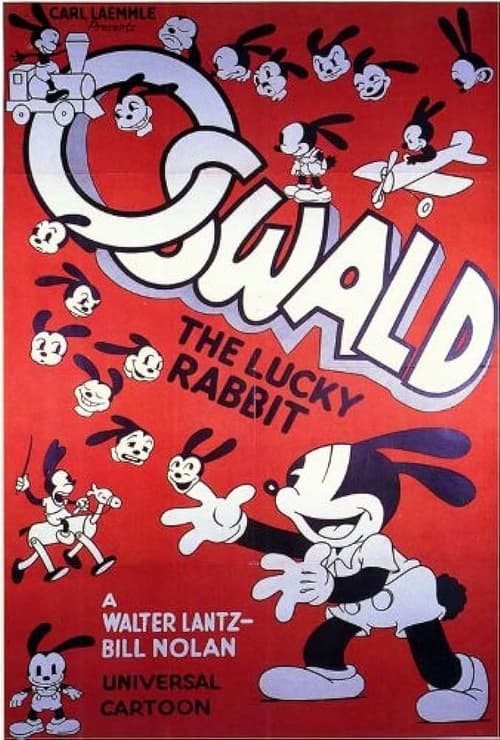
The Dizzy Dwarf
1934
No user ratings available yet
Representation score: 0.5 out of 10
Representation Score
Limited
1931
Director
Walter Lantz, William Nolan
Runtime
6 minutes
Average Rating
No ratings yetNew Showbiz Analysis
The Stone Age reflects the limitations of its time, showing a lack of intentional diversity. It operates within the social and technical constraints of early American animation. The film does not offer complex narratives or challenge established social norms. Representation across all categories is minimal, reflecting the standards of 1931 rather than any active effort to subvert social norms.
Category Breakdown
The film does not include any representation of LGBTQ+ identities or non-assuming gender matches what was assigned at birth gender roles. It follows the strict heterosexual norms typical of 1931 animation.
The film adheres to conventional gender roles and hierarchies common in early sound-era films. Women do not have significant roles in driving the plot or challenging traditional gender norms.
The production reflects a time when characters were predominantly of a single ethnicity. There is no indication of diverse casting or the use of non-human characters to represent different ethnicities.
The film upholds traditional Western cultural and moral norms. It does not question or deconstruct these norms or institutions.
Characters with disabilities are used primarily for comedic effect and do not have significant roles in the story. Physical differences are often used as a source of humor rather than as serious character traits.
Present on Screen
Limited or Absent
Official Synopsis
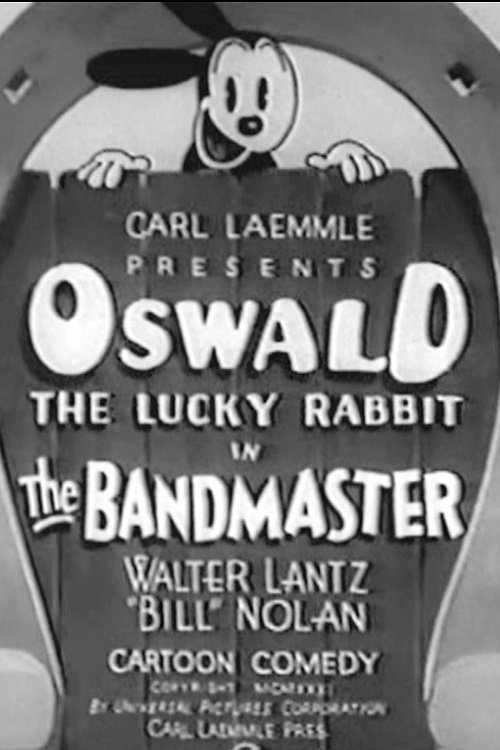
A Walter Lantz/Bill Nolan Oswald the Lucky Rabbit cartoon released July 15, 1931.
1934
1933
1935
1935
1935
1931
1936
1931
No reviews yet. Be the first to share your thoughts on this movie!
Use the rating form above to leave a star rating and optional review.