
The Manxman
1929
No user ratings available yet
Diversity score: 3.0 out of 10
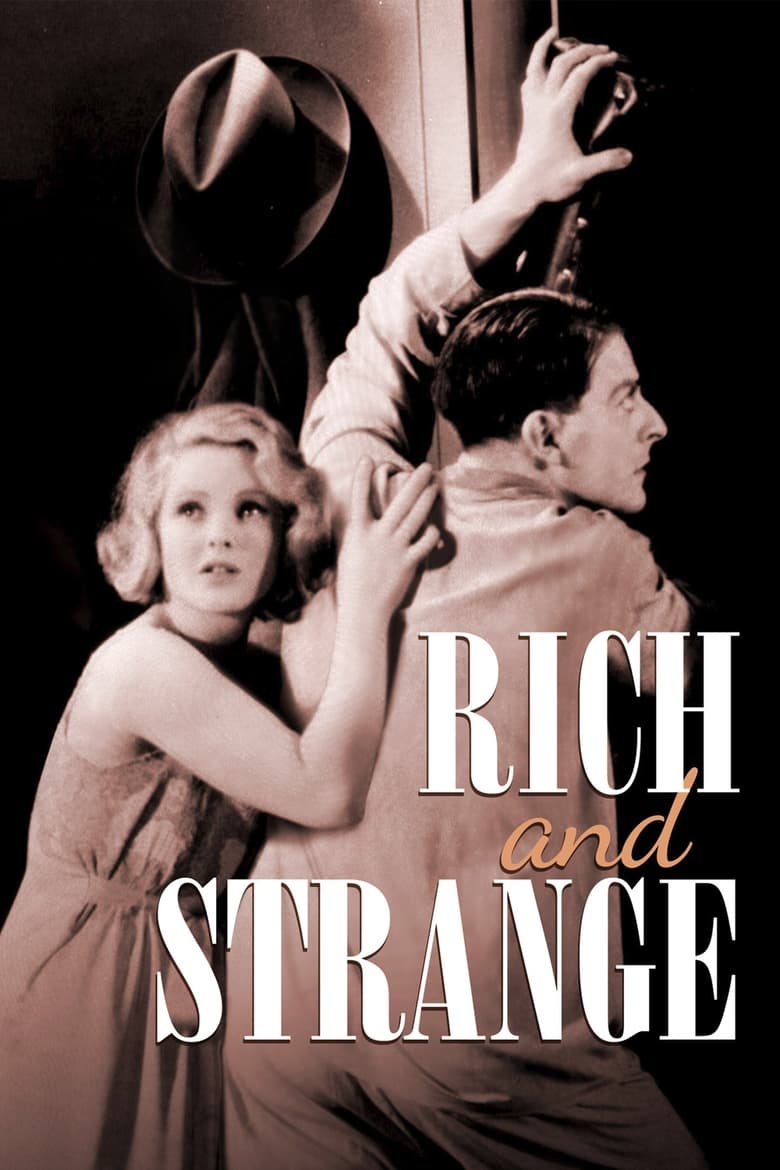
1931
Not RatedDirector
Alfred Hitchcock
Runtime
83 minutes
Average Rating
No ratings yetSynopsis
After receiving an advance inheritance, a bored London couple set off on a world cruise hoping to rejuvenate their marriage and escape their dull routine. But newfound wealth and freedom only expose deeper cracks in their relationship, as each becomes infatuated with someone else. Their journey through exotic ports and mounting disillusionment ultimately brings them face to face with the fragility—and resilience—of love.
Overall Score
Limited
Category Breakdown
LGBTQ+ Representation
The film lacks any depiction of queer identities or subtext. The romantic structure is strictly centered on a traditional male-female pairing.
Gender Representation
Gender roles follow early 20th-century hierarchies. The female protagonist is defined by domesticity, while the male lead is centered through economic and physical labor.
Racial & Ethnic Diversity
The cast lacks racial or ethnic breadth, reflecting the era's cinematic constraints. The setting remains a largely homogeneous maritime community.
Religious & Cultural Diversity
The narrative offers a nuanced critique of class disparity. It explores how sudden wealth disrupts working-class environments and communal stability.
Disability Representation
There is no evidence of characters with visible or invisible disabilities. No such characters are utilized as central plot devices.
Strengths
Areas for Improvement
AI Analysis
Rich and Strange functions primarily as a traditional period piece. While it avoids modern progressive social disruption, it finds depth in its exploration of socioeconomic friction. The film uses the intrusion of wealth to destabilize a working-class setting, providing a meaningful look at class tension. However, the film remains tethered to the conventional hierarchies of the 1930s. It lacks intersectional representation, offering almost no racial, ethnic, or LGBTQ+ diversity. The narrative architecture prioritizes class-based conflict over a broader spectrum of human identity. Ultimately, the film's strength lies in its social commentary regarding capital and community, even as it fails to challenge the era's rigid gender and racial norms.
1929

1928
1928
1928
1930
No reviews yet. Be the first to share your thoughts on this movie!
Use the rating form above to leave a star rating and optional review.