
I'll Take Sweden
1965
No user ratings available yet
Representation score: 1.8 out of 10
Representation Score
Limited
1964
Director
Giannis Dalianidis
Runtime
105 minutes
Average Rating
No ratings yetNew Showbiz Analysis
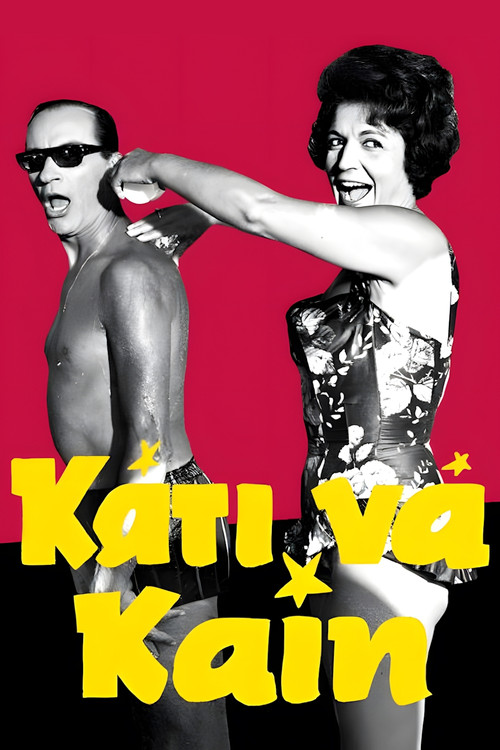
Something Hot is a quintessential mid-20th-century musical that prioritizes social stability and romantic resolution. While it offers a glimpse into the era's commercial and social values, it operates within a highly conservative framework. The film provides some interesting subversions of gender, such as a female lead navigating economic systems and a male lead masking his true persona. However, these elements ultimately serve to reinforce traditional social hierarchies and straight-centered milestones. Overall, the production is a product of its time, focusing on a culturally specific Greek experience that lacks broader racial or identity-based diversity.
Category Breakdown
The film does not include any explicit LGBTQ+ characters or identities. It focuses on traditional heterosexual relationships and marriage.
Rena plays a significant role in driving the plot through her pursuit of an inheritance. However, the story emphasizes traditional domestic outcomes and the concept of a 'white wedding'.
The film reflects the demographic homogeneity of 1960s Greek cinema, with a cast and narrative focused on a localized, culturally specific experience without intentional racial or ethnic blending.
The story celebrates mid-century social structures, emphasizing family, marriage, and social standing. The musical resolution reinforces social cohesion and the triumph of conventional romantic order.
There is no evidence regarding the portrayal of physical or neurodivergent disabilities within the film.
Present on Screen
Limited or Absent
Official Synopsis
During an International Trade Fair at Thessaloniki, a mature woman, Rena (Martha Karagianni), goes there with her sister to convince her childhood friend Dinos (Dinos Iliopoulos) to have a "white wedding" so that she can inherit a large estate. Dinos though, does not accept because even though he is actually a womanizer he acts as a shy and modest man around people. Everyone there will meet a group of musicians and one of them will fall in love with the daughter of the strict manager of the company Dinos works for who is accompanied by Dinos. At some point, everyone goes to Athens where things get more complicated untill everyone finds his perfect match. In the end Rena gets her inheritance and all together they perform a musical play in a grand theater.
1965

1966

1952

1969

1965

1963
1952
1962
No reviews yet. Be the first to share your thoughts on this movie!
Use the rating form above to leave a star rating and optional review.