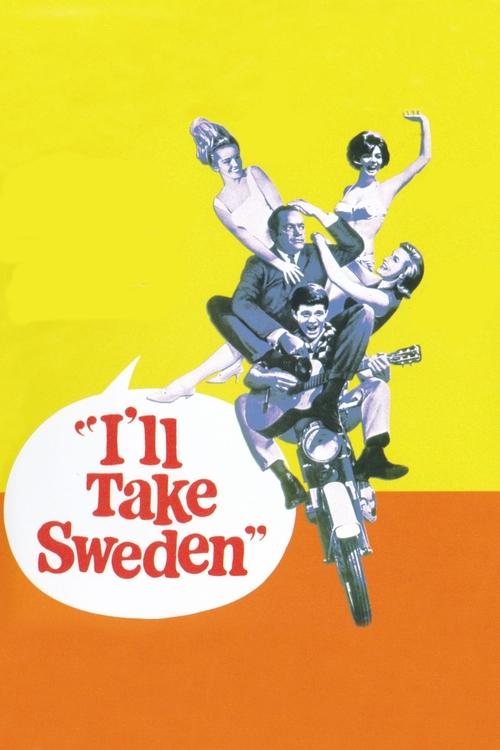
I'll Take Sweden
1965
No user ratings available yet
Representation score: 1.8 out of 10
Representation Score
Minimal
1964
NRDirector
Jean Negulesco
Runtime
107 minutes
Average Rating
No ratings yetNew Showbiz Analysis
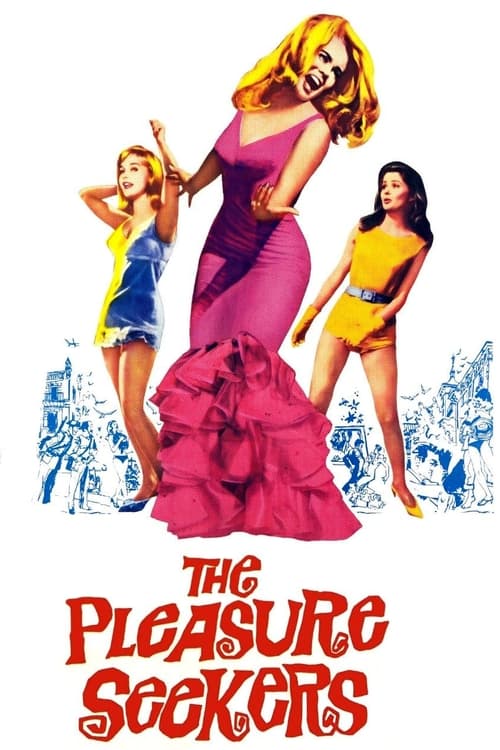
The Pleasure Seekers is a mid-century musical comedy that prioritizes escapism and melodic performance over social disruption. While the story centers on three female protagonists, their journeys are bound by the conventional romantic clichés and social hierarchies of the 1960s. The film reinforces traditional gendered archetypes, such as the secretary and the singer, whose primary motivations involve navigating romantic entanglements. This focus on individual romantic pursuits prevents the film from engaging with broader systemic or multi-layered themes. Ultimately, the production serves as a period-typical example of commercial cinema. It functions to uphold established cultural structures rather than challenging them through diverse or nuanced characterizations.
Category Breakdown
The film operates within a framework that assumes everyone is straight and cisgender. There are no representations of LGBTQ+ identities or critiques of societal norms related to sexual orientation or gender identity.
Female characters play a significant role in driving the interpersonal plot through musical performance and romantic pursuit. However, their roles are confined to traditional archetypes that seek validation through male companionship.
The cast is predominantly white, reflecting the cinematic standards of the time. The Spanish setting is used primarily for romance, without exploring cultural depth or multi-layered identities.
The narrative emphasizes middle-class aspirations and conventional romantic ideals. It does not engage with secularism or critiques of Western institutions, adhering to the social expectations of the 1960s.
There is no visible or invisible disability representation within the primary cast or the central narrative arc.
Present on Screen
Limited or Absent
Official Synopsis
A trio of gorgeous American tourists hope to find love while vacationing in Spain. Secretary Maggie Williams falls hard for a married newsman named Paul Barton while fighting off the advances of one of his employees. Singer Fran Hobson sets her sights on a handsome European doctor. And coed Susie Higgins receives an unexpected proposal from smooth-talking womanizer Emilio Lacaya.
1965

1952

1963
1949
1960

1960
1963
1953
No reviews yet. Be the first to share your thoughts on this movie!
Use the rating form above to leave a star rating and optional review.