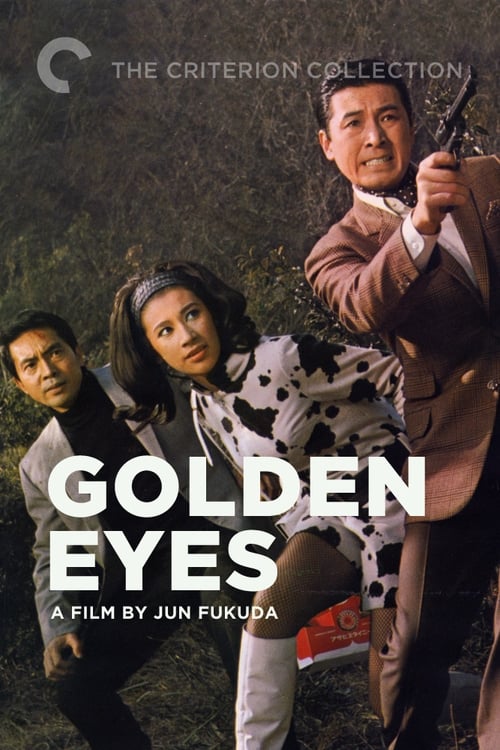
Golden Eyes
1968
No user ratings available yet
Representation score: 2.4 out of 10

Representation Score
Fair
1964
Director
Kihachi Okamoto
Runtime
95 minutes
Average Rating
No ratings yetNew Showbiz Analysis
Kihachi Okamoto’s direction uses dark comedy and kinetic action to critique social structures. The film functions as a satirical disruption of political authority, using a subversive premise to challenge traditional leadership. While the film lacks explicit markers of diverse identities, it succeeds in providing a non-Western critique of systemic corruption. The use of underrepresented figures, such as ex-prisoners, as primary agents drives a narrative that undermines conventional hierarchies. Ultimately, the work prioritizes institutional subversion over diverse character representation. It serves as a culturally specific commentary on political processes rather than a showcase for varied identity groups.
Category Breakdown
The film does not include any explicit references to LGBTQ+ identities or queer narratives. It focuses on a political prank involving two male protagonists.
The story centers around two male ex-prisoners and their actions. There is limited information about female roles, which suggests a focus on masculine archetypes of rebellion.
As a 1964 Japanese production, the film provides a non-Western perspective on corruption. It offers a culturally specific lens that challenges Anglo-centric narrative norms.
The narrative uses satire to critique democratic institutions. By focusing on outsiders, it challenges the perceived competence and morality of the ruling class.
There is no evidence of characters with visible or invisible disabilities within the provided narrative context.
Present on Screen
Limited or Absent
Official Synopsis
During the mayoral election, two ex-prisoners decide to replace the lucky pen of an annoying candidate with a mini-bomb.
1968

2004

1965

1968

1959

1955

1961

1963
No reviews yet. Be the first to share your thoughts on this movie!
Use the rating form above to leave a star rating and optional review.