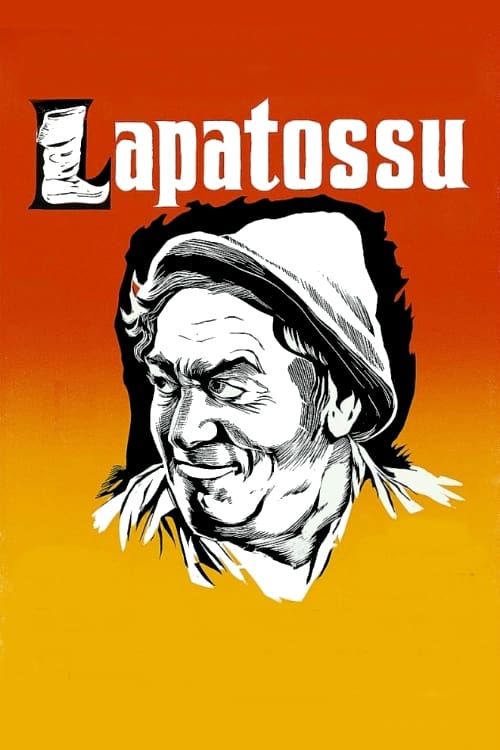
Lapatossu
1937
No user ratings available yet
Representation score: 1.7 out of 10

Representation Score
Minimal
1934
Director
Béla Gaál
Runtime
89 minutes
Average Rating
No ratings yetNew Showbiz Analysis
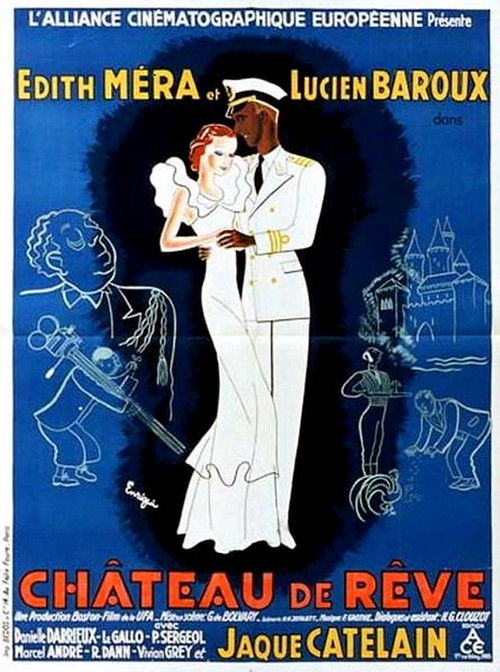
The Dream Car is a classic 1930s Hungarian romantic comedy that sticks closely to the genre conventions of its time. The story relies on traditional themes, focusing on beauty and socioeconomic status. Because it was made during a pre-war period, it reflects a homogeneous society without challenging modern ideas of diversity. Instead, it functions as a light-hearted product of its era.
Category Breakdown
The film follows the typical romantic storylines of the 1930s. It does not include any characters with non-traditional gender identities or challenge the idea that everyone is straight.
The plot revolves around a beautiful woman falling in love with a wealthy man. This storyline reinforces traditional gender roles and idealized femininity.
Produced in 1934 Hungary, the film reflects the society of its time, which was largely homogeneous. It does not feature diverse casting.
The story focuses on romance and wealth without questioning Western institutions. It does not address secularism or challenge traditional family structures.
There is no indication of characters with visible or invisible disabilities in the film.
Present on Screen
Limited or Absent
Official Synopsis
A light hearted comedy, from the thirties. One of the most successful ones in Hungary. The ever enchanting story of a beautiful girl falling in love with a rich man.
1937
1939
1936

1937
1933
1936
1936
1933
No reviews yet. Be the first to share your thoughts on this movie!
Use the rating form above to leave a star rating and optional review.