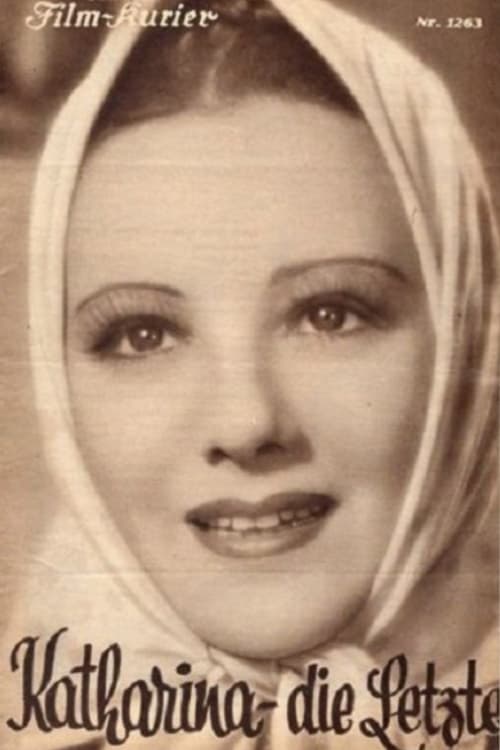
Catherine the Last
1936
No user ratings available yet
Representation score: 2.2 out of 10
Representation Score
Minimal
1933
Director
Géza von Bolváry
Runtime
87 minutes
Average Rating
No ratings yetNew Showbiz Analysis
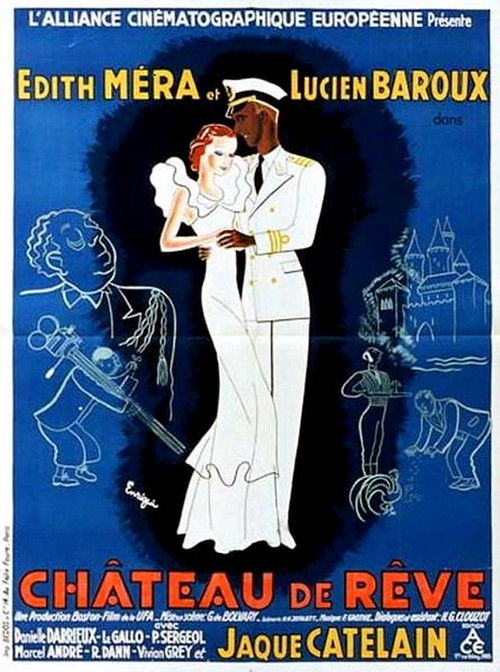
Dream Castle is a quintessential product of 1930s European cinema, prioritizing escapism and genre conventions over social critique. The plot utilizes a classic 'hidden identity' cliché, where class disparity is resolved by restoring a natural social order rather than challenging it. The film's structure reinforces established hierarchies. By centering the resolution on the revelation of a character's royal status, the narrative validates traditional class structures and aristocratic ideals. While the film provides prominent roles for women, it remains tethered to period-typical romantic pursuits. It lacks the intentionality required to challenge the social or diverse norms of its era.
Category Breakdown
The film follows a traditional heterosexual romance storyline. There are no characters or narratives that challenge the assumption that everyone is straight or cisgender.
The film features strong female leads such as Edith Méra and Danielle Darrieux. However, the story relies on traditional romantic clichés and the dynamic between stars and extras.
The film adheres to the Eurocentric casting standards of the 1930s. The focus on European nobility suggests a homogeneous cast without diverse representation.
The story operates within traditional Western romanticism. It celebrates the glamour of the film industry and the idealized life of European aristocracy.
There is no evidence regarding the inclusion or portrayal of characters with visible or invisible disabilities.
Present on Screen
Limited or Absent
Official Synopsis
A film actress falls for an extra on her set, he turns out to be a prince.
1936

1926
1934
1955
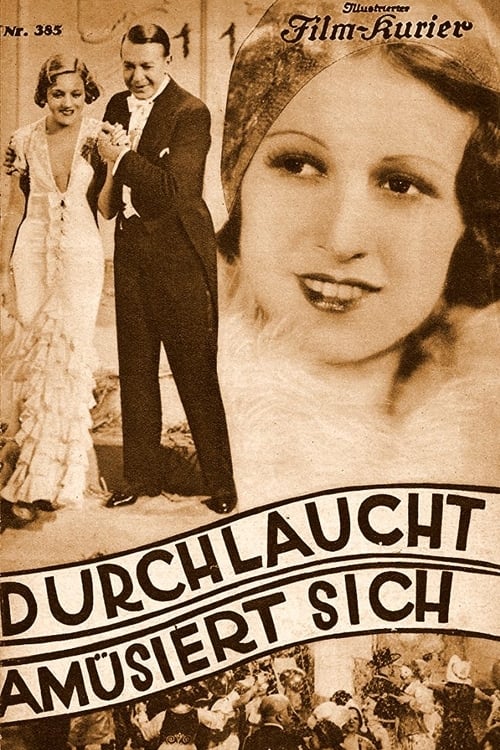
1932
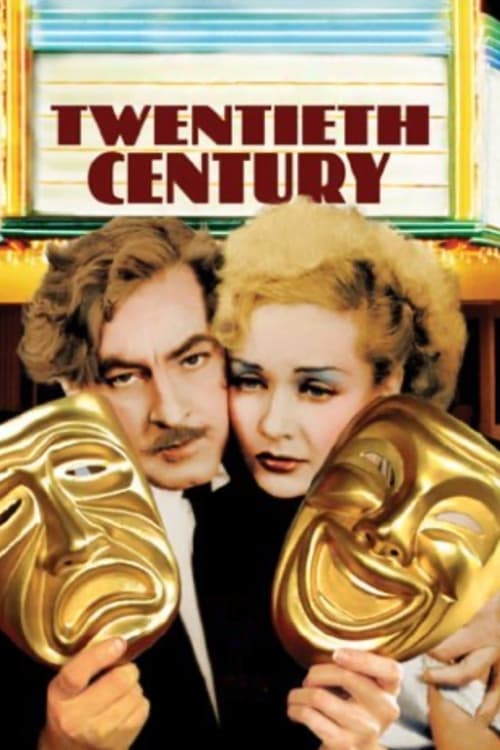
1934
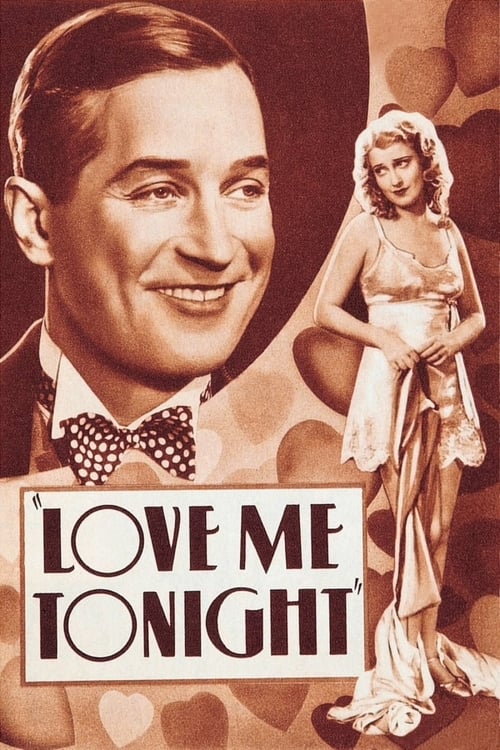
1932
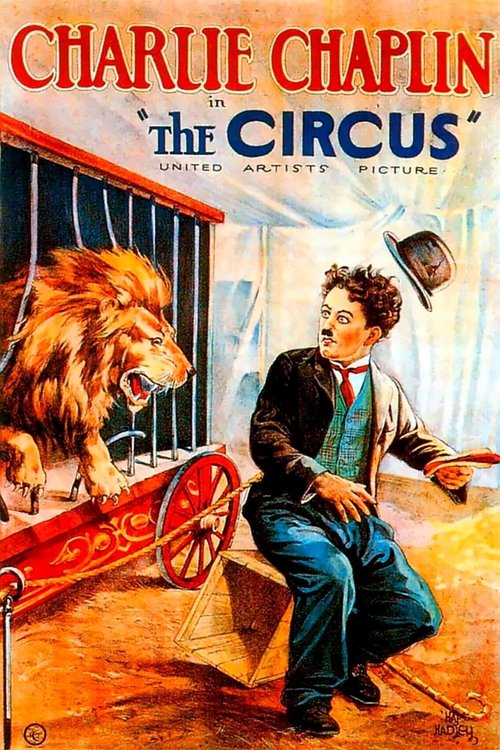
1928
No reviews yet. Be the first to share your thoughts on this movie!
Use the rating form above to leave a star rating and optional review.