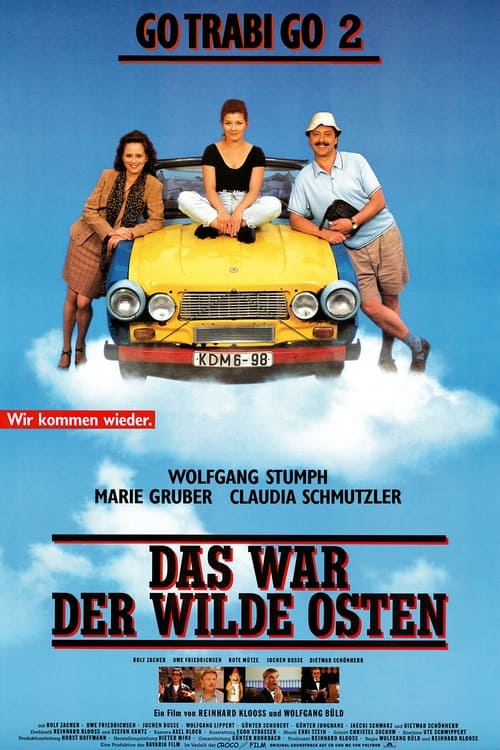
Go Trabi Go 2: Those Were the Days of the Wild East
1992
No user ratings available yet
Representation score: 5.0 out of 10
Representation Score
Fair
1991
Director
Peter Timm
Runtime
92 minutes
Average Rating
No ratings yetNew Showbiz Analysis
Go Trabi Go serves as a satirical road movie that critiques systemic structures through the transition from the GDR to a globalized landscape. It uses its narrative structure to challenge institutional control and state bureaucracy. However, the film lacks demographic diversity. The main cast is largely homogenous, and there is a notable absence of LGBTQ+ representation and characters with disabilities. While the film engages with complex post-colonial themes through the lens of Apartheid, the central protagonists do not reflect a diverse range of identities. Ultimately, the film's strength lies in its moral relativism and anti-authoritarian stance rather than its representation of diverse social groups.
Category Breakdown
The film does not include any visible LGBTQ+ characters or stories that explore non-straight identities. The interpersonal relationships stay within traditional boundaries, offering no engagement with queer identity.
Female characters play active roles in the journey, but their storylines follow well-known road movie clichés. The narrative does not significantly challenge traditional gender hierarchies or power dynamics.
The cast is mainly white and European, reflecting the East German setting. However, the film uses the backdrop of South African Apartheid to provide a critique of systemic inequities.
The film excels in critiquing Western and Eastern institutions. It satirizes the rigid authority of the GDR and the limitations of both socialist and capitalist structures.
There is no significant portrayal of characters with visible or invisible disabilities. The focus remains on geopolitical and bureaucratic obstacles.
Present on Screen
Limited or Absent
Official Synopsis
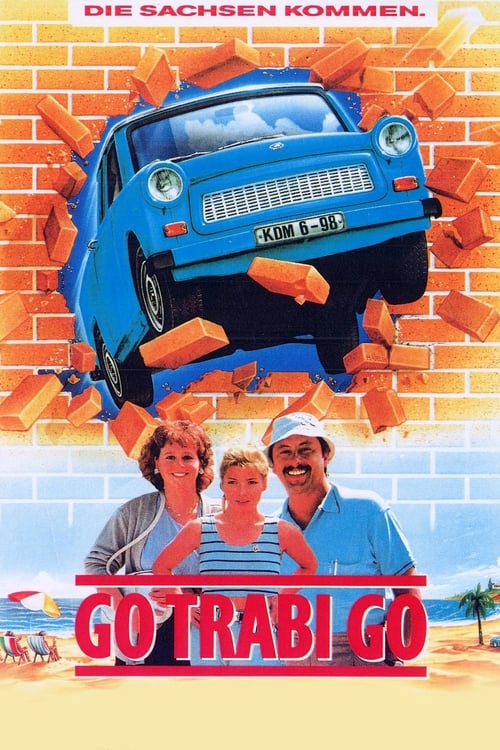
Family Struutz lives in Bitterfeld (GDR). After the fall of the wall, they take the opportunity to go on holiday with their car, an old Trabant. They simply want to visit Italy. But there are some incidents during their journey.
1992
1999
1986
1981
2012
2020
1991
1994
No reviews yet. Be the first to share your thoughts on this movie!
Use the rating form above to leave a star rating and optional review.