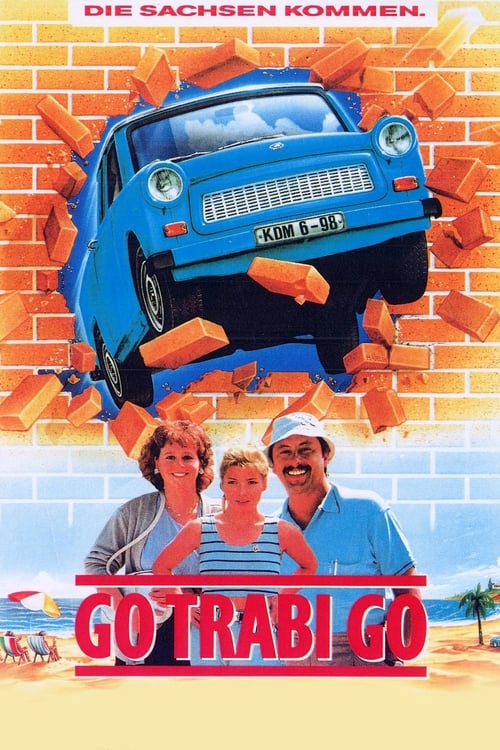
Go Trabi Go
1991
No user ratings available yet
Representation score: 5.6 out of 10
Representation Score
Fair
1992
Director
Wolfgang Büld, Reinhard Klooss
Runtime
93 minutes
Average Rating
No ratings yetNew Showbiz Analysis
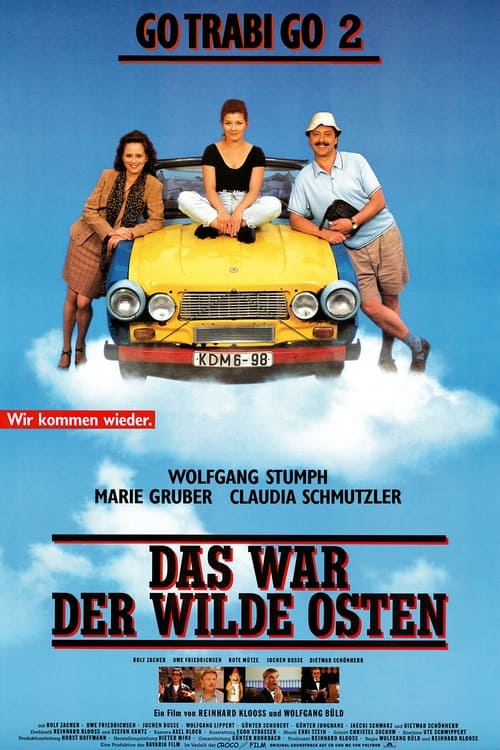
Go Trabi Go 2 serves as a regional social comedy set during the time of German reunification. Its strength lies in exploring the tension between the collapse of socialist structures and the rise of capitalism. However, the film lacks significant exploration of diverse identities such as LGBTQ+, gender, and race. The story prioritizes the cultural conflict between East and West over broader social diversity.
Category Breakdown
The film does not include any explicit LGBTQ+ characters or narratives. Instead, it focuses on the socio-economic changes experienced by the Struutz family.
The story revolves around a traditional patriarchal family structure. Women such as Rita and Jacqueline are present, but the main narrative momentum and ability to act are held by male characters.
The setting and cast reflect a homogeneous demographic typical of the region. The narrative emphasizes the cultural divide between East and West Germany, rather than addressing racial diversity.
The film provides a nuanced look at the cultural shift during German reunification. It critiques the sudden imposition of Western capitalism on traditional Saxon values through its characters.
There are no characters with visible or invisible disabilities in the film. The narrative focuses solely on generational and socio-economic issues.
Present on Screen
Limited or Absent
Official Synopsis
Elated by the Italian attitude to life, family Struutz returns to Bitterfeld and experiences a shock: In the turmoil of the reunification her house must give way to a golf course. Hope Udo teacher, his wife Rita and daughter Jacqueline through the surprising inheritance of a factory near Dresden. But of market economy, the staid Saxons unfortunately have no idea. Help comes in the guise of adventurer and condoms dealer Charlie, who works as a "business consultant" and gives Udo a Rock & Roll crash course in capitalism - with unsurpassed success.
1991
1985
1992
1999
1990
1961
2012
2001
No reviews yet. Be the first to share your thoughts on this movie!
Use the rating form above to leave a star rating and optional review.