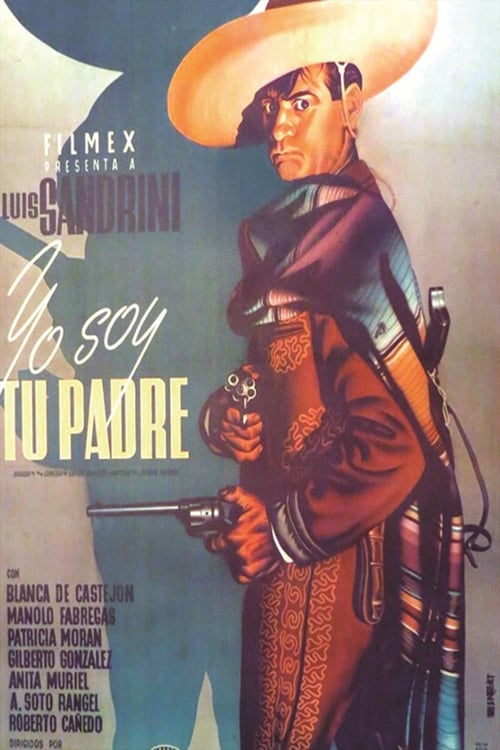
Yo soy tu padre
1948
No user ratings available yet
Representation score: 1.3 out of 10
Representation Score
Limited
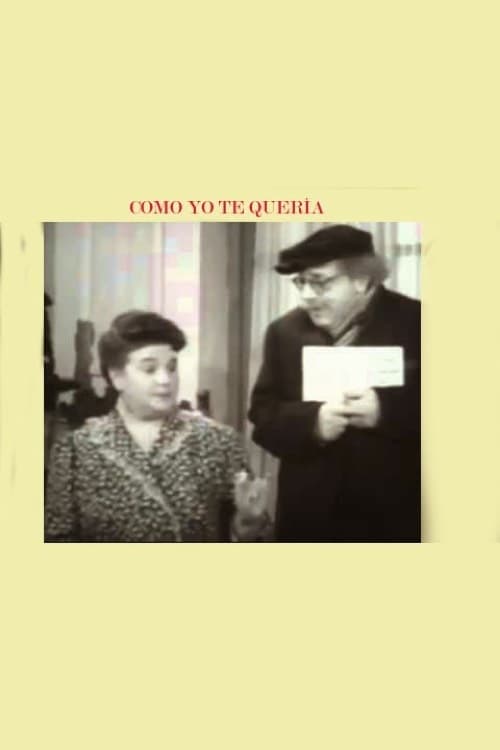
1945
Director
Raphael J. Sevilla
Runtime
90 minutes
Average Rating
No ratings yetNew Showbiz Analysis
Como yo te quería is a product of the Golden Age of Mexican cinema, characterized by established social and narrative conventions. The film relies heavily on the romantic comedy and drama genres, which traditionally prioritize conventional domestic structures over challenging familiar patterns. While the film features prominent female stars, the characters appear to fit within standard mid-century gender roles. The film offers a non-Western perspective through its Mexican setting, yet it remains rooted in the idealized aesthetics and social hierarchies of its time. Ultimately, the film reflects the social norms of 1945, lacking the depth or diverse representation needed to challenge broader societal assumptions.
Category Breakdown
The film does not depict any LGBTQ+ identities or same-sex relationships, following the assumption that everyone is straight or cisgender.
The film prominently features women in key roles, but they likely adhere to traditional domestic and romantic roles typical of the era.
As a Mexican production, the film centers on a non-Anglo-Saxon cast, reflecting the era's aesthetic ideals without evidence of intentional blending of different aspects of identity.
The film operates within the cultural frameworks of mid-century Mexico, emphasizing traditional family values and social cohesion.
There is no evidence of characters with physical or neurodivergent disabilities being included in the film.
Present on Screen
Limited or Absent
Official Synopsis
Romantic comedy/drama.
1948
1952
1951
1947
1950
1941
1951
1950
No reviews yet. Be the first to share your thoughts on this movie!
Use the rating form above to leave a star rating and optional review.