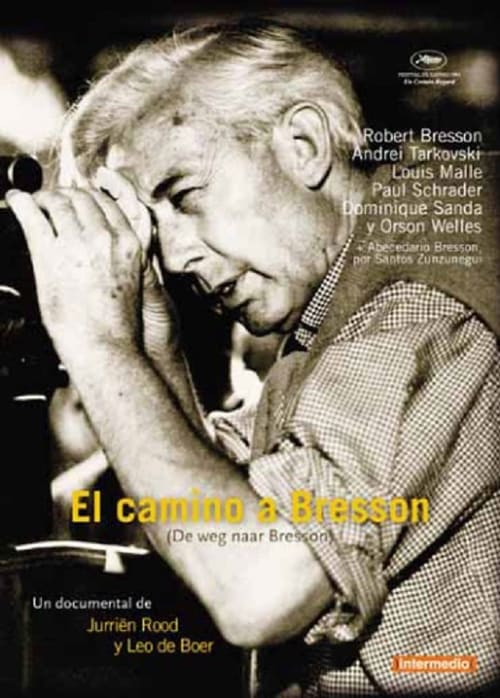
The Road to Bresson
1984
No user ratings available yet
Representation score: 3.9 out of 10
Representation Score
Fair
1967
Director
Theodor Kotulla
Runtime
31 minutes
Average Rating
No ratings yetNew Showbiz Analysis
Au Hasard Bresson is a specialized documentary that emphasizes cinematic theory and the director's methodology over broad demographic representation. Its strength lies in its cultural critique, challenging mainstream commercial structures through the lens of the New German Cinema movement. However, the film is limited by its historical context and specific subject matter, resulting in a focus on a singular male director and a homogeneous production environment. This leads to lower scores for racial and LGBTQ+ diversity. Ultimately, the work is a study of the artistic process rather than a vehicle for social representation.
Category Breakdown
The documentary focuses on the creative process of Robert Bresson. It does not include explicit LGBTQ+ character arcs or diverse gender identities.
The film centers on the production of Mouchette, a female-led narrative. However, the focus remains on the male director, limiting broader gender representation.
The narrative reflects the homogeneous demographics of mid-century French cinema. There is no indication of intentional racial diversity or inclusive casting.
The film aligns with New German Cinema by emphasizing the director's unique vision over commercial norms. It critiques mainstream consumerism through Bresson's minimalist approach.
There is no documentation of the portrayal of physical or neurodivergent disabilities in this behind-the-scenes look at the film set.
Present on Screen
Limited or Absent
Official Synopsis
In 1966, German film critic Theodor Kotulla — who would go on to become one of the New German Cinema's most uncompromising filmmakers — visited the set of Robert Bresson's "Mouchette" (1967) and created this half-hour documentary about the director. It won the 1967 German Film Award for best short documentary.
1984
1964
2014

1986
1947
1968
1969
2010
No reviews yet. Be the first to share your thoughts on this movie!
Use the rating form above to leave a star rating and optional review.