
Voices
1969
No user ratings available yet
Representation score: 2.1 out of 10
Representation Score
Fair
1964
Director
Jacques Rozier
Runtime
9 minutes
Average Rating
No ratings yetNew Showbiz Analysis
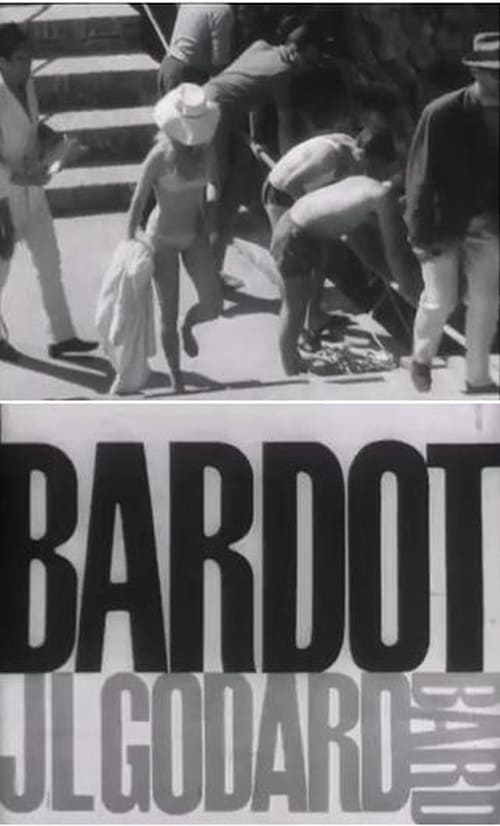
Bardot et Godard serves as a vital historical artifact of the French New Wave, capturing the intersection of Jacques Rozier and Jean-Luc Godard. Its value lies in its observational documentation of the creative process during a period of significant cinematic evolution. However, the film is limited by the social realities of 1964. The absence of racial and LGBTQ+ representation reflects the era's industry demographics rather than a specific narrative choice. While it highlights a female icon, it does not explicitly address the gender hierarchies of the time. Ultimately, the film is a study of artistic rebellion. It prioritizes the intellectual labor of the New Wave movement over the diverse social representation expected in modern cinema.
Category Breakdown
The documentary reflects the social norms of the mid-1960s. There is no indication of LGBTQ+ identities or non-straight gender roles within this historical context.
Brigitte Bardot plays a central role, highlighting the tension between her iconic status and her professional work. The film captures the presence of women in a male-dominated filmmaking environment.
The production reflects the homogeneous demographic of the 1964 European film industry. There is no evidence of diverse casting or racial blending in this observational short.
The film aligns with the progressive, secular values of the French New Wave. It emphasizes artistic rebellion and the deconstruction of traditional, polished cinematic techniques.
There is no information available regarding the portrayal of physical or neurodivergent disabilities in this work.
Present on Screen
Limited or Absent
Official Synopsis
A documentary short following director Jean-Luc Godard on the set of Contempt.
1969

1961

1964
2008

1963

1965

2004

1974
No reviews yet. Be the first to share your thoughts on this movie!
Use the rating form above to leave a star rating and optional review.