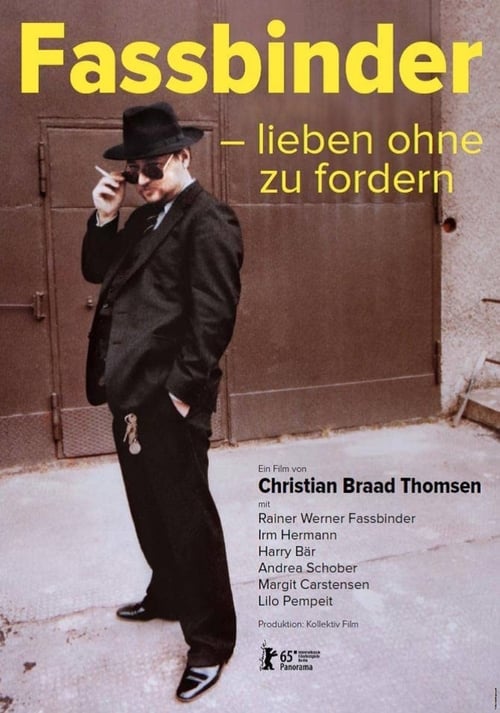
Fassbinder: Love Without Demands
2015
No user ratings available yet
Representation score: 9.3 out of 10
Representation Score
Fair
2010
Director
Benny Jaberg, Pascal Hofmann
Runtime
83 minutes
Average Rating
No ratings yetNew Showbiz Analysis
This documentary serves as a detailed historical record of a movement that challenged social and cinematic norms. It successfully documents the avant-garde identities and non-conformist values of the New German Cinema era. While the film provides a rich portrayal of queer subcultures and powerful female archetypes, it focuses narrowly on a specific European art scene. This limits its racial and ethnic diversity. Ultimately, the film is a niche biographical study. It offers meaningful representation of progressive artistic values but does not provide broad social commentary.
Category Breakdown
The film captures a period of cinema focused on exploring queer identities. Archival footage highlights non-traditional gender expressions associated with the New German Cinema movement.
The documentary centers on powerful women who are key figures in expression. Working with Ingrid Caven, it moves away from traditional, submissive roles for women.
The film focuses on a specific mid-20th-century European milieu. There is no evidence of a multi-ethnic cast or a deliberate effort to center non-Western perspectives.
The film celebrates artists who stand outside mainstream culture and prioritize individualistic, non-conformist artistic values.
The documentary does not include characters or subjects dealing with physical or neurodivergent disabilities.
Present on Screen
Limited or Absent
Official Synopsis
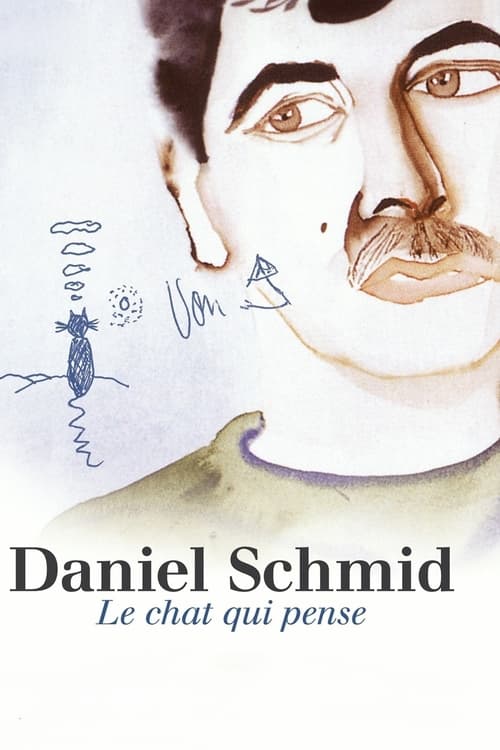
When director Daniel Schmid grew up, his parents ran a hotel in the Alps, and this singular setting was to influence his film. Rather by coincidence, he came to Berlin in the early 1960s and became part of the new German wave. Schmid worked with, among others, Wenders and Fassbinder, for example, as an actor in Wender’s The American Friend. He met Ingrid Caven, who was to play a diva in several of his films. This is a documentation of a part of modern European film history and a good analysis of artistry and how it corresponds to the individual behind the camera. A wealth of archival footage brings us close to many directors and actors in Schmid’s circle. If you’ve never seen a Daniel Schmid film, you are sure to want to after watching this portrait of his life.
2015

2008
1998
2018
2000
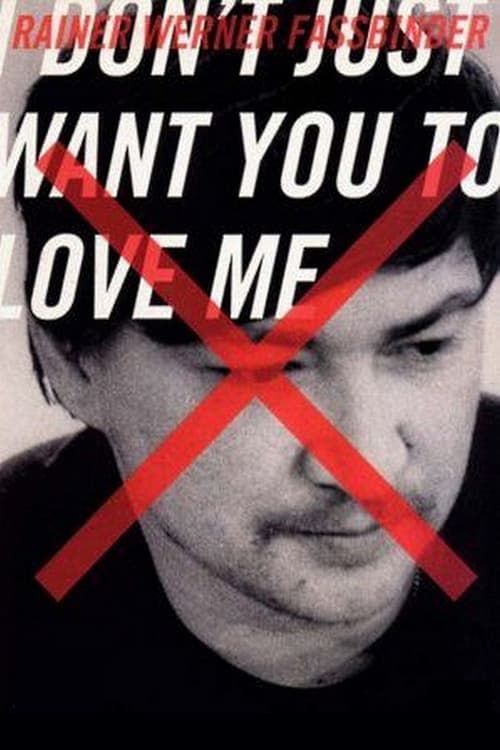
1992
2015
1990
No reviews yet. Be the first to share your thoughts on this movie!
Use the rating form above to leave a star rating and optional review.