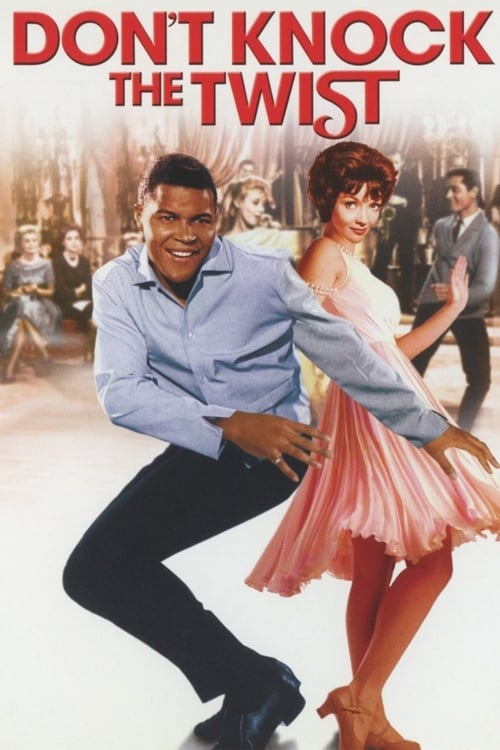
Don't Knock the Twist
1962
No user ratings available yet
Representation score: 2.3 out of 10
Representation Score
Minimal
1961
NRDirector
Oscar Rudolph
Runtime
83 minutes
Average Rating
No ratings yetNew Showbiz Analysis
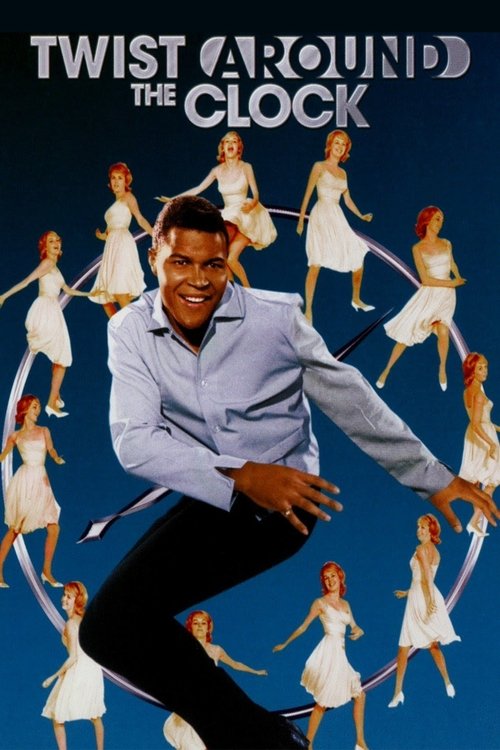
Twist Around The Clock is a quintessential product of its era, capturing the essence of the 1960s teen dance craze. It prioritizes mainstream youth culture and the pursuit of national fame over any meaningful social exploration. The film adheres strictly to the demographic homogeneity and social hierarchies of the early 1960s. It lacks perspectives that reflect multiple aspects of identity, reinforcing rather than challenging the status quo of the period. Ultimately, the production serves as a period-typical reflection of American consumerism. It avoids progressive commentary, focusing instead on the commercial potential of rock and roll within a conventional social framework.
Category Breakdown
The film does not include any LGBTQ+ characters or narratives. It focuses on mainstream youth culture from the 1960s without addressing non-straight relationships or identities.
The narrative follows traditional gender roles of the mid-1960s. Female characters gain some visibility through youth culture but do not significantly challenge the existing power structures.
Casting follows the homogeneous standards of the early 1960s. The film reflects the typical Anglo-Saxon demographic expected in a small-town American setting.
The story celebrates mid-century American consumerism and youth culture. It upholds traditional Western structures without critiquing capitalist institutions or systems.
There are no characters with visible or invisible disabilities. The cast consists of typical, able-bodied teenagers without any focus on neurodivergence or physical disabilities.
Present on Screen
Limited or Absent
Official Synopsis
A struggling manager visits a hayseed town and discovers a new dance craze, and hopes to turn it into a overnight nationwide sensation.
1962
1941

1956
1963
1936
1951
1953
1958
No reviews yet. Be the first to share your thoughts on this movie!
Use the rating form above to leave a star rating and optional review.