Along the Sungari River
1947
No user ratings available yet
Representation score: 5.8 out of 10
Representation Score
Fair
2000
Director
Lin Cheng-sheng
Runtime
93 minutes
Average Rating
No ratings yetNew Showbiz Analysis
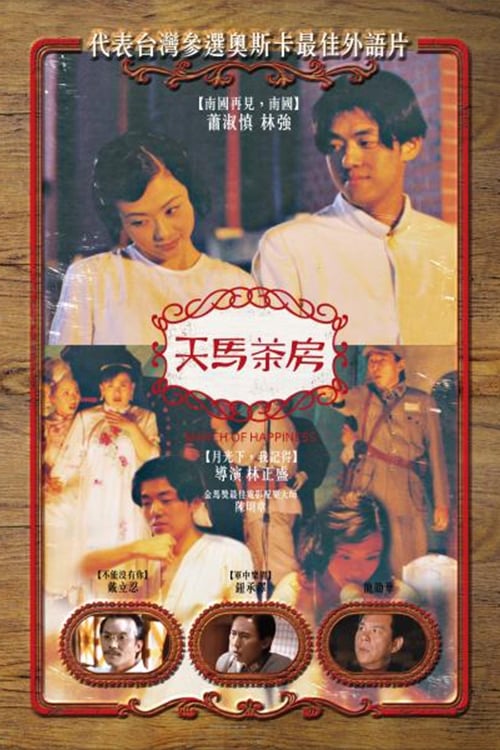
March of Happiness uses a specific historical moment to explore the tension between individual actions and broader societal forces. By setting a romance against the backdrop of Japanese occupation and the 28 February Incident, the film moves beyond simple melodrama into socio-political territory. The film excels in using its setting to highlight ethnic and cultural complexity. The transition of power in Taiwan provides a rich backdrop for examining colonial hierarchies and evolving social identities. However, the film lacks visible representation for LGBTQ+ identities and characters with disabilities. Its narrative focus remains centered on a conventional heterosexual romance, which may limit broader social diversity.
Category Breakdown
The film centers on a teenage couple within a traditional romantic framework. There are no explicit queer narratives or representations of non-binary gender identities.
The female protagonist takes a leading role by pursuing her romantic desires despite family opposition. Her choices drive the plot against the backdrop of mid-1940s patriarchal structures.
Set during Taiwan's transition from Japanese occupation, the film delves into complex ethnic identities influenced by Japanese, Chinese, and local Taiwanese cultures.
The story explores how systemic instability and historical trauma, such as the 28 February Incident, affect social cohesion. Tea-houses and traveling troupes are used to highlight cultural intersections.
There is no information available regarding the portrayal of characters with physical or neurodivergent disabilities.
Present on Screen
Limited or Absent
Official Synopsis
1945-1947, Taiwan. A teenage couple were deeply in love despite objections from the girl’s family. Their tragic story is played out in travelling troupes, tea-houses and western-style cafes, with the backdrop of Japanese occupation and the 28 February Incident.
1947
1989
2002
1955
1991
1984
1997
1976
No reviews yet. Be the first to share your thoughts on this movie!
Use the rating form above to leave a star rating and optional review.