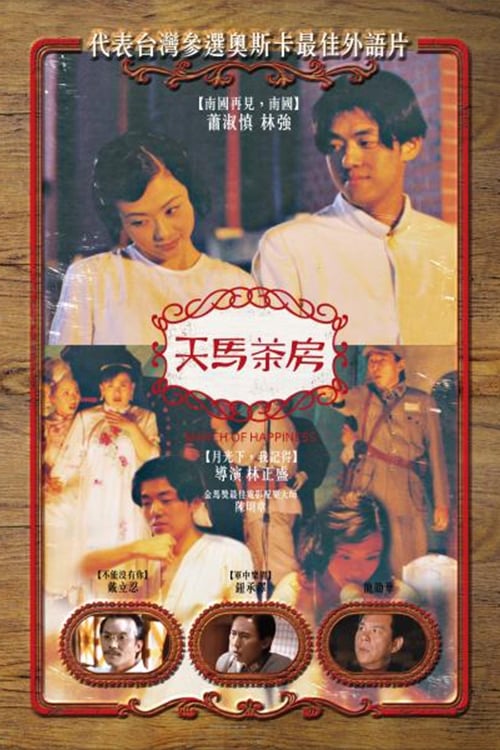
March of Happiness
2000
No user ratings available yet
Representation score: 5.7 out of 10

Representation Score
Fair
1947
Director
Jin Shan
Runtime
115 minutes
Average Rating
No ratings yetNew Showbiz Analysis
Along the Sungari River stands as a significant historical drama that prioritizes the ability to act of a underrepresented female protagonist. By centering the Chinese experience during a period of intense colonial struggle, the film offers a powerful counter-narrative to Western-centric historical perspectives. The film succeeds in challenging traditional gender hierarchies by making a woman's journey the core of the war epic. This focus on a female lens provides a unique perspective on the horrors of invasion and systemic violence. While the film lacks representation for LGBTQ+ identities or characters with disabilities, its strength lies in its authentic ethnic and cultural portrayal. It effectively uses a personal struggle to critique broader imperialist hierarchies.
Category Breakdown
The film does not include any LGBTQ+ characters or themes related to non-straight identities.
The story revolves around a female protagonist who drives the plot through her experiences during wartime. She plays a significant role in shaping the narrative.
This work provides a crucial non-Western perspective on colonial struggles. It centers the Chinese experience and the local population's resistance against Japanese forces.
The film critiques the socio-economic instability caused by foreign intervention. It aligns with themes of anti-imperialism and challenges the authority of colonial powers.
There is no mention of characters with visible or invisible disabilities in the narrative.
Present on Screen
Limited or Absent
Official Synopsis
Unfortunate events beset a poor Chinese girl as she escapes from invading Japanese forces, narrowly avoids being raped, and seeks solace in a neighboring village.
2000

1961

1997

1959
1990

1993

1958
1990
No reviews yet. Be the first to share your thoughts on this movie!
Use the rating form above to leave a star rating and optional review.