
Réquiem NN
2013
No user ratings available yet
Representation score: 6.4 out of 10
Representation Score
Good
2019
Director
Federico Atehortúa Arteaga
Runtime
83 minutes
Average Rating
No ratings yetNew Showbiz Analysis
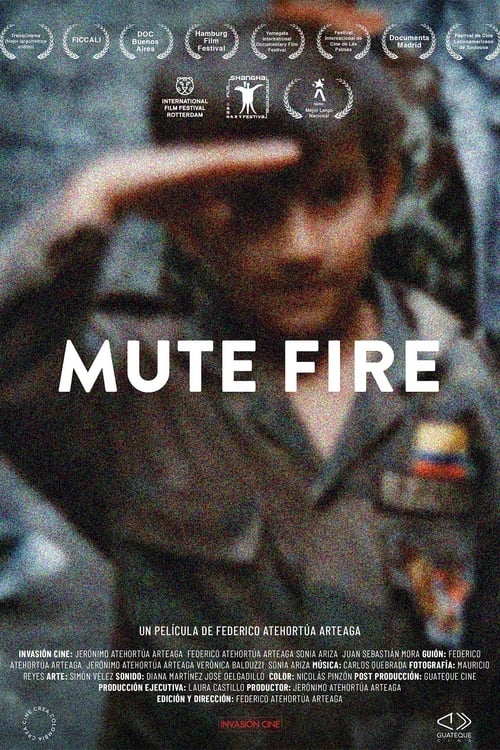
Mute Fire serves as a meta-cinematic investigation into how moving images shape Colombian history. It examines the tension between state propaganda and the lived realities of those caught in systemic violence. The film excels by centering the South American experience and challenging the monolithic narratives often pushed by state institutions. By focusing on the 'false positives' phenomenon, it gives voice to the disenfranchised. While the film offers a strong critique of patriarchal and institutional power, it lacks explicit representation of queer identities or disability. Its impact is primarily found in its deconstruction of nationalistic myths.
Category Breakdown
The film looks at non-traditional historical perspectives that might challenge the assumption that everyone is straight or cisgender. However, it doesn't show any specific queer identities or romantic relationships.
The story criticizes patriarchal structures by focusing on the victims of state violence. This shifts the focus away from traditional masculine leadership and toward those who are underrepresented by the military.
The work centers the South American experience and the socio-political struggles in Colombia. It avoids Western-centric models by focusing on local systemic issues and the plight of murdered youths.
The film deconstructs official patriotism and state-sanctioned truths. It portrays Western-aligned institutions like the military as entities capable of spreading misinformation and oppression.
There is no specific evidence regarding the portrayal of physical or neurodivergent disabilities within the film.
Present on Screen
Limited or Absent
Official Synopsis
On 6 March 1906, four men were executed for the attempted murder of Colombian president Rafael Reyes. The event was photographed, and the photos were later used for a fictionalised film on the failed coup. From then on, cinema in this South American country has been inextricably linked to its violent history. Moving images have been used for historiography, propaganda, disinformation and to instil unity in a nation that refuses to come together. Falsos positivos, murdered youths disguised as guerrillas by the army to simulate military success, are a common element.
2013
2012
2011
2002
2011
2014

1984
2021
No reviews yet. Be the first to share your thoughts on this movie!
Use the rating form above to leave a star rating and optional review.