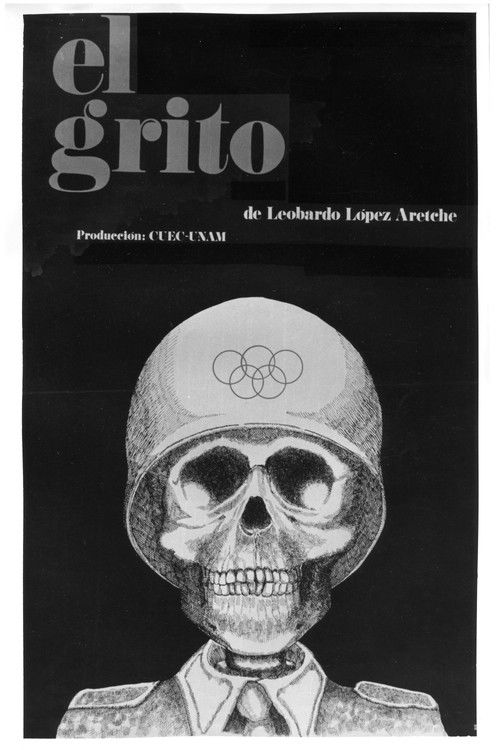
The Shout
1968
No user ratings available yet
Representation score: 3.9 out of 10
Representation Score
Good
2011
Director
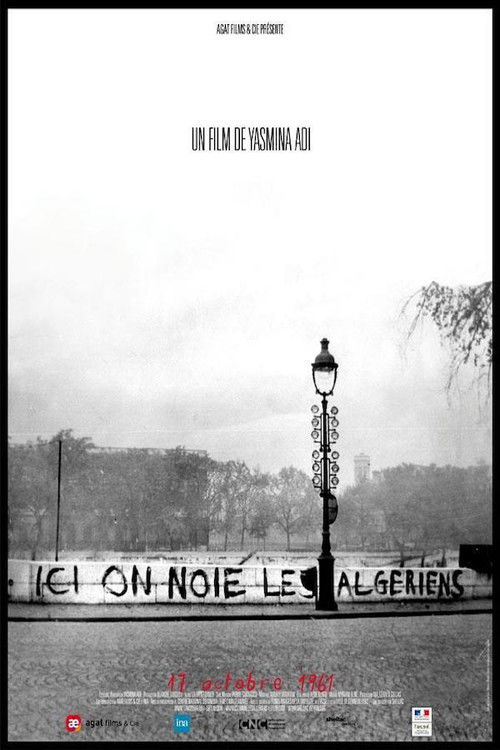
Yasmina Adi
Runtime
90 minutes
Average Rating
No ratings yetNew Showbiz Analysis
Yasmina Adi’s documentary serves as a vital act of historical reclamation. By centering the Algerian diaspora, the film disrupts the traditional Western canon and challenges the state-sponsored censorship that has long obscured the 1961 Paris massacre. The film excels by providing control to North African subjects through testimony and unseen archives. It moves beyond a simple retelling of events to interrogate the systemic methods used by the French state to suppress ethnic identity and political expression. While the film is a powerful tool for racial and cultural justice, it remains neutral regarding LGBTQ+ and disability representation. Its primary mission is the deconstruction of colonial legacies and the recovery of suppressed historical truths.
Category Breakdown
The film focuses on the 1961 Paris massacre and colonial-era state violence. There is no explicit depiction of LGBTQ+ identities within this historical political context.
The narrative shifts control from state institutions to the underrepresented victims of violence, examining how state-level manipulation affects individuals under systemic control.
The documentary centers the Algerian diaspora and North African experiences. It uses testimony and archive footage to allow subjects of color to reclaim their history from official state narratives.
This anti-colonial work critiques Western state institutions and their manipulation of public opinion. It prioritizes the truth of underrepresented groups over nationalistic myths and official histories.
The film provides no specific evidence regarding the portrayal of physical or neurodivergent disabilities.
Present on Screen
Limited or Absent
Official Synopsis
In response to the call of the Front de libération nationale (F.L.N., the National Liberation Front), thousands of Algerians from Paris and its surroundings march on October 17, 1961, to protest against the curfew imposed on them. This peaceful demonstration will be violently put down by the police. 50 years on, the filmmaker sheds light on this still taboo subject. Blending testimony and unseen archive footage, history and memory, past and present, the film relates the different stages in these events and reveals the strategy and methods applied at the highest level of the French state: manipulation of public opinion, the systematic challenge of every accusation, the censoring of information in order to prevent investigation.
1968
2012

2006
2012
2022
2014
1965
2017
No reviews yet. Be the first to share your thoughts on this movie!
Use the rating form above to leave a star rating and optional review.