
Out 1
1990
No user ratings available yet
Diversity score: 7.1 out of 10
1973
Director
Jacques Rivette
Runtime
253 minutes
Average Rating
No ratings yetSynopsis
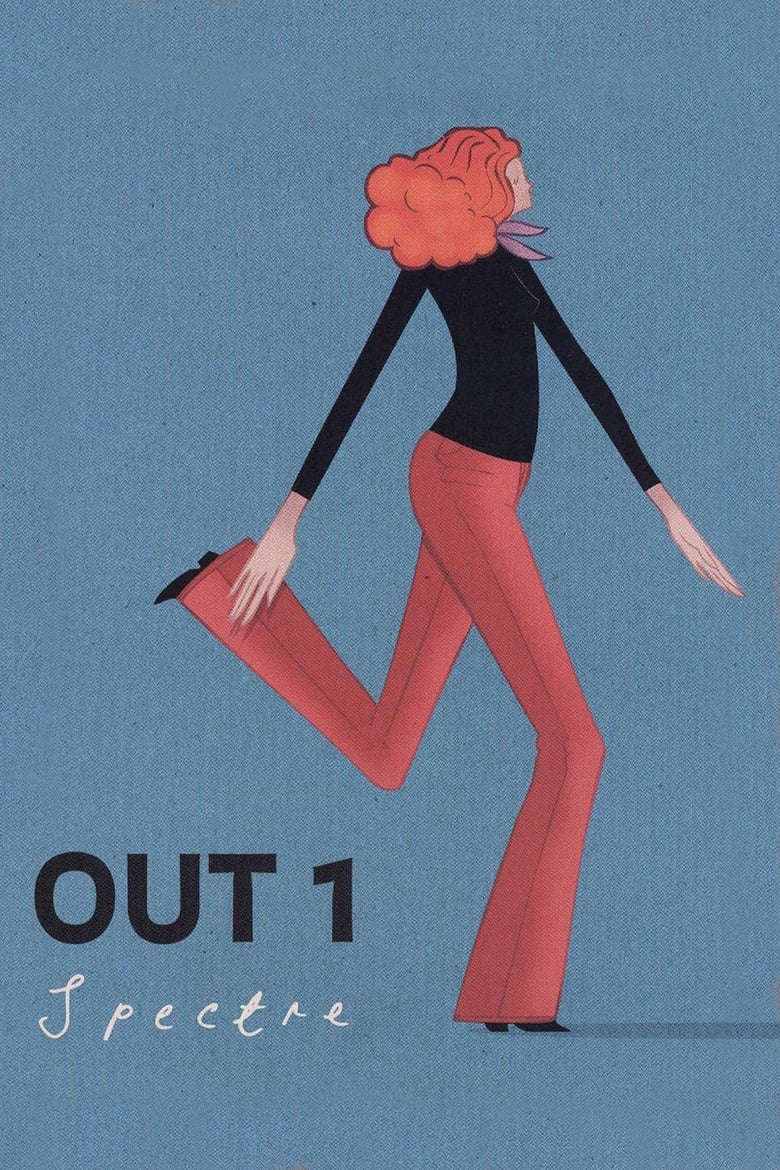
Out 1: Spectre begins as nothing more than scenes from Parisian life; only as time goes by do we realize that there is a plot—perhaps playful, perhaps sinister—that implicates not just the thirteen characters, but maybe everyone, everywhere. Real life may be nothing but an enormous yarn someone somewhere is spinning...
Overall Score
Fair
Category Breakdown
LGBTQ+ Representation
The film captures a bohemian Parisian milieu that naturally supports non-heteronormative social structures. It avoids didacticism, instead favoring identity fluidity and ambiguous intimate connections over rigid romantic frameworks.
Gender Representation
Men and women are presented through theatrical rituals rather than domestic hierarchies. This focus on rehearsal subverts traditional gendered expectations of leadership and competence.
Racial & Ethnic Diversity
The cast is predominantly white and European, reflecting the demographic homogeneity of its specific artistic subculture. The narrative does not engage with racial or ethnic intersectionality.
Religious & Cultural Diversity
The film challenges Western storytelling authority by prioritizing subjective experience and artistic liberation. It explores existential freedom through the breakdown of conventional social structures.
Disability Representation
There are no prominent depictions of physical or neurodivergent characters with significant agency. The narrative focuses on psychological states, leaving disability largely unaddressed.
Strengths
Areas for Improvement
AI Analysis
Out 1: Spectre is a postmodern exploration of identity that excels in subverting social hierarchies. Its strength lies in its refusal to adhere to traditional gendered or romantic norms, offering a fluid view of human connection within an experimental theatrical setting. However, the film is limited by its narrow demographic focus. The setting is deeply rooted in a specific, homogenous European intellectual circle, which results in a significant lack of racial and ethnic diversity. Additionally, the narrative lacks representation for characters with physical or neurodivergent disabilities. Ultimately, the film provides a sophisticated critique of institutional certainty and traditional storytelling, even if it remains confined to a specific cultural niche.
1990
1982

1981
1968
1970
1963
1980
1971

1961
1971
1962
1970
No reviews yet. Be the first to share your thoughts on this movie!
Use the rating form above to leave a star rating and optional review.