
Up, Down, Fragile
1995
No user ratings available yet
Diversity score: 5.7 out of 10
1982
Not RatedDirector
Jacques Rivette
Runtime
129 minutes
Average Rating
No ratings yetSynopsis
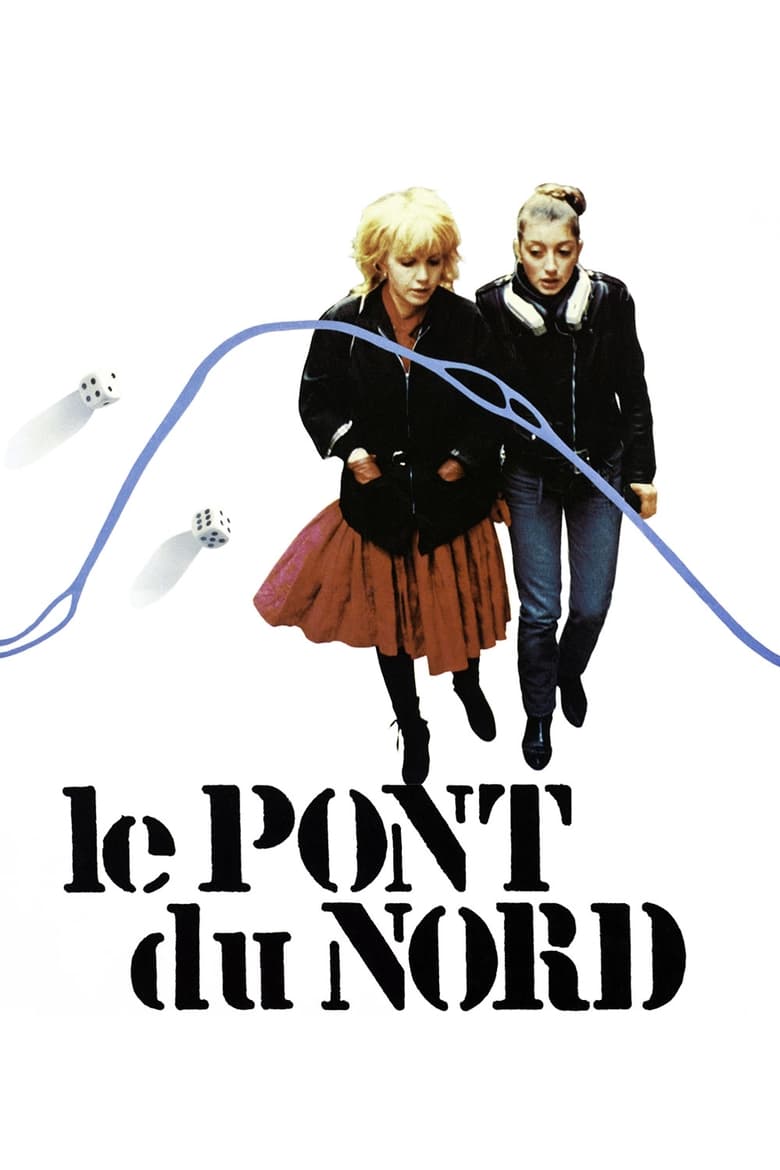
Marie is just out from prison when she runs into Baptiste, a young paranoid needing companionship. In their pursuit of a mysterious briefcase carried by Marie's former lover, they roam the street of Paris, transformed into a giant board game, a maze spotted with mysterious traps, puzzling clues, and chance encounters. Maybe they are bricks in some sinister scheme, maybe they are playing a board game, maybe it's a fairy tale, maybe it's yet something else...
Overall Score
Fair
Category Breakdown
LGBTQ+ Representation
The film focuses on the central connections between Marie, Baptiste, and Pierre. There is no explicit depiction of non-cisnormative identities or same-sex intimacy within the narrative.
Gender Representation
Marie drives the narrative through her agency in a labyrinthine Paris. The film subverts traditional hierarchies by portraying male characters through lenses of paranoia and instability rather than competence.
Racial & Ethnic Diversity
The story is set within a specific Parisian milieu. The cast reflects the demographic homogeneity of its era, with no evidence of significant racial blending or intentional diversity.
Religious & Cultural Diversity
The film excels by using Paris as a postmodern maze to critique social order. It prioritizes subjective morality and individual perception over institutional or religious dogma.
Disability Representation
Baptiste is characterized as a young paranoid, suggesting a focus on mental health. It remains unclear if this neurodivergence is handled with agency or used as a plot device.
Strengths
Areas for Improvement
AI Analysis
Le Pont du Nord is a sophisticated work of postmodern cinema that excels in its structural deconstruction of truth and authority. By framing the city as a giant board game, it challenges traditional Western notions of social order and certainty. However, the film lacks breadth in visible identity representation. It remains demographically homogeneous, reflecting the era's lack of racial and LGBTQ+ visibility in its Parisian setting. While it subverts gendered power dynamics by centering Marie's agency, it offers limited engagement with disability or neurodivergence beyond the characterization of Baptiste's paranoia.
1995

2001
1973
1974
No reviews yet. Be the first to share your thoughts on this movie!
Use the rating form above to leave a star rating and optional review.