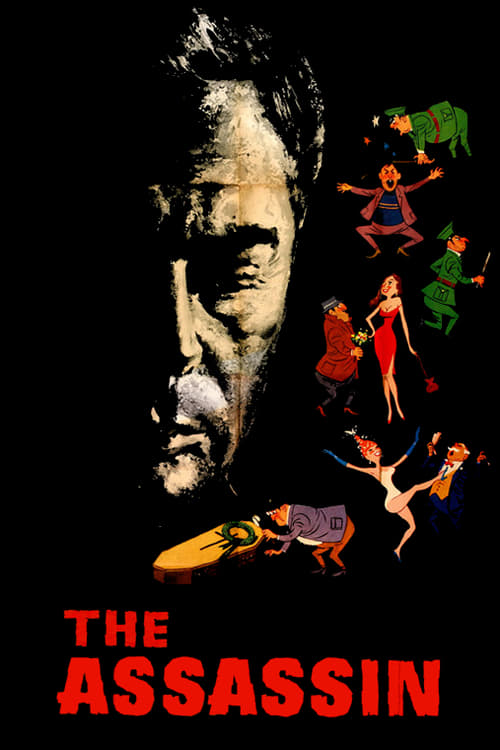
The Assassin
1961
No user ratings available yet
Representation score: 4.2 out of 10
Representation Score
Limited
1962
Not RatedDirector
Bernardo Bertolucci
Runtime
91 minutes
Average Rating
No ratings yetNew Showbiz Analysis
Bernardo Bertolucci’s early work serves as a sociological study of Italian provincialism. The film excels in deconstructing social hierarchies and examining the tension between individual freedom and communal traditions. It offers a critical perspective on established social institutions. However, the film is constrained by the social norms of its time, lacking representations of LGBTQ+ identities or racial diversity. The narrative focuses on a homogeneous group of local residents, limiting its broader demographic scope. Ultimately, the film’s strength lies in its early critique of systemic social structures rather than its portrayal of diverse identities.
Category Breakdown
The film does not include any characters with non-binary or transgender identities. It centers on a male-dominated interrogation process and portrays a female victim within traditional societal norms.
Women are shown as vulnerable within a strict provincial hierarchy. The film examines the communal policing of female behavior but does not feature women in dominant roles.
The cast is made up of local, working-class residents with no racial diversity. It reflects the demographics of 1960s rural Italy but lacks minority perspectives.
The film subtly critiques traditional social hierarchies. It portrays provincial structures as stifling and restrictive rather than cohesive moral units.
The film does not include any characters with visible or invisible disabilities. There are no characters with disabilities used as central plot devices or depicted with specific ability to act.
Present on Screen
Limited or Absent
Official Synopsis
Roman police detectives interrogate a series of potential perpetrators in their struggle to determine whom to arrest for the brutal murder of a beautiful prostitute whose body is discovered in a park on the day of a torrential rainstorm. One by one, the prime suspects -- girl-crazy teenager Nino, pickpocket Canticchia, a soldier on leave, a tourist and a pimp -- recount the events of the day to the police, each insisting he is innocent.
1961
1976
1959
1960

1965
1948

1962
1973
No reviews yet. Be the first to share your thoughts on this movie!
Use the rating form above to leave a star rating and optional review.