
Le Corbeau
1943
No user ratings available yet
Representation score: 2.8 out of 10
Representation Score
Limited
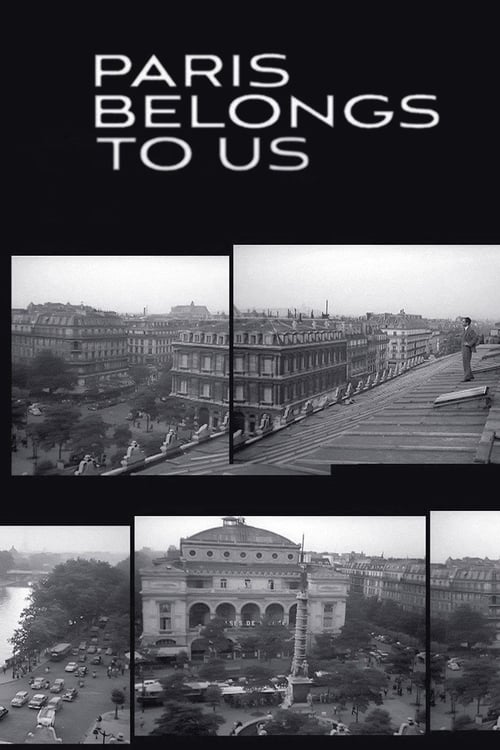
1961
Not RatedDirector
Jacques Rivette
Runtime
141 minutes
Average Rating
No ratings yetNew Showbiz Analysis
Jacques Rivette’s work is a showcase of experimental filmmaking, prioritizing the breakdown of traditional narrative structures over identity-focused storytelling. The film successfully challenges conventional storytelling and didactic moralism, using a postmodern, episodic approach to explore truth. However, the film is limited by the demographic constraints of the French New Wave era. It lacks depth in representing diverse racial, ethnic, or LGBTQ+ identities, showing a homogeneous social group. Overall, while the film is progressive in rejecting rigid storytelling, it falls short in representing a broad range of demographics or giving meaningful roles to underrepresented groups.
Category Breakdown
The film doesn't show any non-straight relationships or same-sex intimacy. While friendships seem open, there are no characters who challenge traditional heterosexual norms or question the assumption that everyone is straight.
Women are shown in a relaxed social setting, avoiding the typical submissive roles. However, the film doesn't challenge the hierarchy between genders or question traditional ideas of masculinity.
The main cast is mostly white and middle-class, reflecting the social norms of the time. It focuses on a fairly uniform group of young people in Paris.
The story embraces moral ambiguity and questions about existence. By focusing on personal experiences rather than a structured moral path, it challenges traditional Western views on religion and morality.
The film doesn’t show any characters with disabilities who take control of their stories. There are no narratives centered around physical or neurological differences.
Present on Screen
Limited or Absent
Official Synopsis
A young woman joins a theatrical troupe where she slowly believes that the director is involved with a secret group and that he is in grave danger.
1943
1963
1959
1950
1990
1947
1981
1944
No reviews yet. Be the first to share your thoughts on this movie!
Use the rating form above to leave a star rating and optional review.