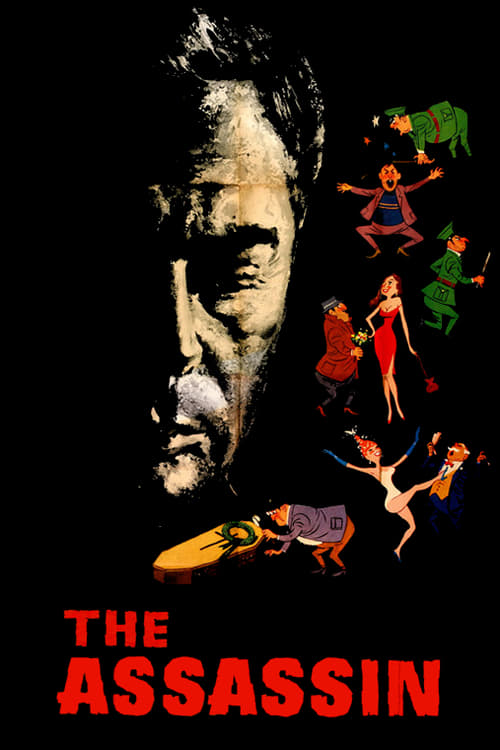
The Assassin
1961
No user ratings available yet
Representation score: 4.2 out of 10
Representation Score
Limited
1971
Director
Romolo Guerrieri
Runtime
91 minutes
Average Rating
No ratings yetNew Showbiz Analysis
The film functions as a traditional psychological thriller, focusing on the internal moral decay of a flawed protagonist. While it avoids some simplistic clichés by exploring complex psychological states, it remains tied to the social structures of its time. The narrative heavily relies on well-known genre conventions, such as infidelity and jealousy, which often reinforce traditional gender and romantic frameworks. This reliance limits its impact on diversity. Ultimately, the film lacks the intentionality needed to challenge established social hierarchies. It reflects the demographic and social homogeneity common in 1970s European genre cinema.
Category Breakdown
The film centers around affairs and infidelity, which are often associated with traditional heterosexual relationships. There are no representations of LGBTQ+ narratives or non-cisgender identities.
Female characters seem to serve primarily as catalysts for male psychological turmoil. The film adheres to traditional gender dynamics rather than challenging these hierarchies.
The cast reflects the predominantly white demographics typical of 1970s Western European cinema. There is no indication of a multi-ethnic cast or diverse representation.
The film delves into personal morality through a non-linear narrative structure. It emphasizes psychological realism over explicit cultural or religious critiques.
The protagonist's deteriorating health serves as a device to explore past events. It does not provide a detailed examination of disability itself.
Present on Screen
Limited or Absent
Official Synopsis
A man is shot in an underground car-park by a mysterious bearded man. As he dies he recollects the events that led him to this situation, including adulterous liaisons and jealous envy.
1961

1958
1976
1971
1972

1973
1968
1976
No reviews yet. Be the first to share your thoughts on this movie!
Use the rating form above to leave a star rating and optional review.