
Through the Mill
2018
No user ratings available yet
Representation score: 6.4 out of 10
Representation Score
Excellent
2016
Director
Bénédicte Delmas
Runtime
92 minutes
Average Rating
No ratings yetNew Showbiz Analysis
The film serves as a powerful critique of systemic oppression, focusing on the patriarchal and moralistic structures of 1970s France. It excels by centering women's ability to drive the story and deconstructing the institutional mechanisms used to control young women's bodies. However, the narrative's impact is somewhat limited by a lack of explicit detail regarding LGBTQ+ and racial identities. While the thematic focus on bodily autonomy is strong, the specific representation of diverse identities remains secondary to the central conflict of institutional control. Ultimately, the work succeeds as a social realist drama that reclaims ability to act for underrepresented individuals, even if it does not provide a broad spectrum of multi-layered identities.
Category Breakdown
The film focuses on the biological realities of pregnant minors and institutional responses. While it doesn't explicitly explore character arcs related to sexual orientation, the movie subtly critiques the policing of female bodies within a straight-centered framework.
The film centers on women's ability to drive the story and the struggle against patriarchal control. By showing a revolt against systems designed to enforce submissiveness, it positions women as the primary drivers of the plot.
Set in 1970s France, the film explores the vulnerabilities inherent in institutions focused on class and social status. While specific ethnic backgrounds aren't detailed, the drama highlights the multi-layered challenges faced by individuals within such systems.
The film critiques traditional Western moral frameworks used to govern female behavior. It prioritizes the subjective experiences of those affected by religious or state-imposed moralities.
The story touches on the psychological vulnerabilities of minors in crisis. The girls are portrayed as active participants in their revolt rather than passive subjects of medical or social correction.
Present on Screen
Limited or Absent
Official Synopsis
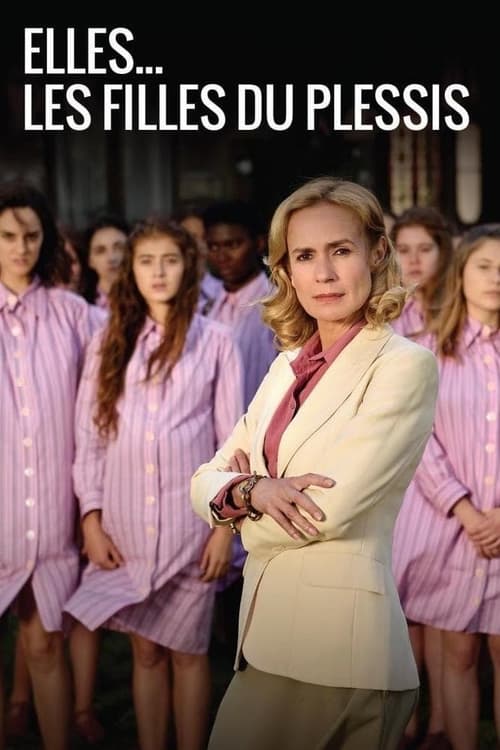
In the 1970s, the house of Plessis welcomes young pregnant minors. Even though these unborn children are the fruit of love or rape, in this institution, a single slogan: put these girls in the right way. But the day when the revolt rumbles, the mechanism fails... A story deliberately based on real events.
2018
2021
2006

2016
2002

2022
2017
2020
No reviews yet. Be the first to share your thoughts on this movie!
Use the rating form above to leave a star rating and optional review.