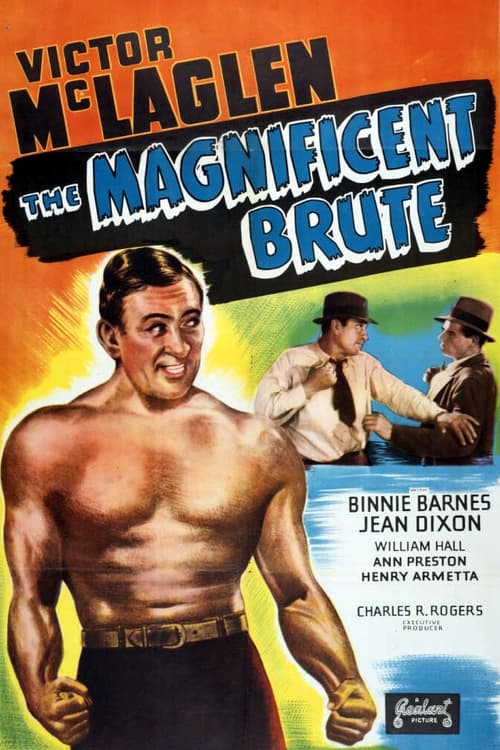
The Magnificent Brute
1936
No user ratings available yet
Representation score: 0.9 out of 10
Representation Score
Minimal
1933
NRDirector
Tod Browning
Runtime
66 minutes
Average Rating
No ratings yetNew Showbiz Analysis
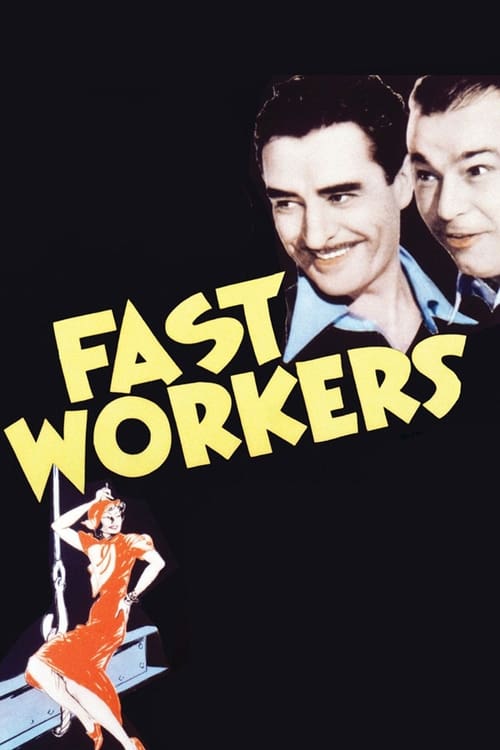
Fast Workers is a period-specific film that captures the socioeconomic realities of the Great Depression. It focuses on the interpersonal dynamics and loyalty among manual laborers facing financial instability. While the film provides insight into the economic struggles of the time, it adheres to traditional storytelling methods and homogeneous casting typical of its era, offering limited disruption to the status quo. The narrative primarily revolves around individualistic conflicts and romantic triangles, rather than exploring diverse identities or broader social critiques.
Category Breakdown
The film does not include any characters with LGBTQ+ identities or explore non-traditional gender roles.
The story focuses on male laborers and their interactions, while the female character's role mainly serves to drive conflict rather than showcase independent strength.
The cast is homogeneous, reflecting the lack of racial or ethnic diversity typical of early 1930s studio films.
The film subtly critiques the economic structures of the Great Depression, but morality centers on individual flaws like greed rather than broader societal issues.
There are no characters with visible or invisible disabilities included in the narrative or casting.
Present on Screen
Limited or Absent
Official Synopsis
Gunner and Bucker are friends who work as riveters. Whenever Bucker gets the urge to marry, which is often, Gunner will hit on his girl to see if she is true or not. So far, Gunner hasn't failed. But one night, while Gunner is in jail, Bucker meets Mary, a tough dame with a line. He falls for her, and she falls for his money. But Mary is already a gal pal of Gunner, and no two know about the third one. The trouble starts when the triangle is revealed too late.
1936
1931
1933
1929

1927
1930
1931
1932
No reviews yet. Be the first to share your thoughts on this movie!
Use the rating form above to leave a star rating and optional review.