
American Madness
1932
No user ratings available yet
Representation score: 2.6 out of 10

Representation Score
Minimal
1931
NRDirector
George Archainbaud
Runtime
64 minutes
Average Rating
No ratings yetNew Showbiz Analysis
Three Who Loved is a product of its 1931 temporal context, functioning primarily as a melodrama centered on romantic instability. The narrative structure relies on a traditional love triangle and conventional gender roles, offering little in the way of progressive representation. While the film introduces a Swedish character, this ethnic element acts more as a marker of exoticism than a meaningful disruption of the era's white-centric casting norms. The film reflects the social constraints of the early 1930s rather than attempting to deconstruct them. Ultimately, the film lacks multi-layered depth, focusing on individual moral ambiguity and domesticity rather than challenging systemic social hierarchies or providing diverse perspectives.
Category Breakdown
The film centers on a traditional heterosexual love triangle and does not depict any non-cisgender identities or narratives that challenge the assumption that everyone is straight.
Helga Larson Hanson plays a significant role through her emotional responses to loneliness, but her stability is closely tied to her relationship with the male protagonist.
The inclusion of a Swedish protagonist adds a minor ethnic element, but this serves more as a character trait of otherness than a deep exploration of identity.
The story explores social morality and interpersonal trust within a conventional social framework, reflecting the social norms of the time rather than critiquing them.
There is no mention or depiction of physical, sensory, or neurodivergent disabilities within the narrative.
Present on Screen
Limited or Absent
Official Synopsis
A bank teller's love life falls apart when he's accused of embezzling.
1932
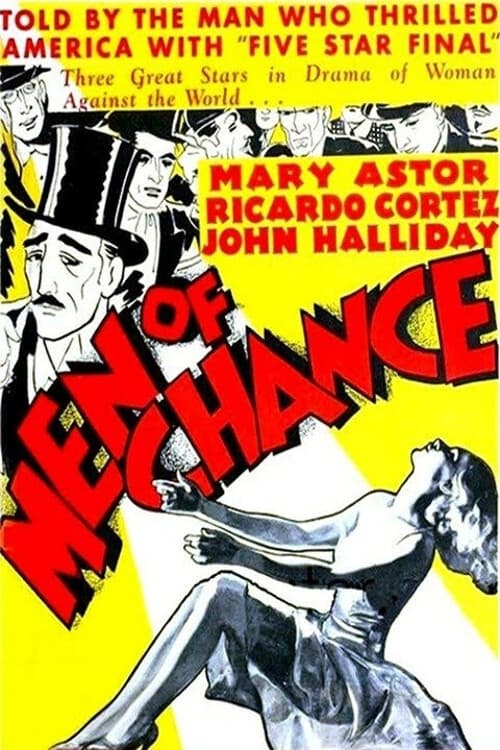
1931
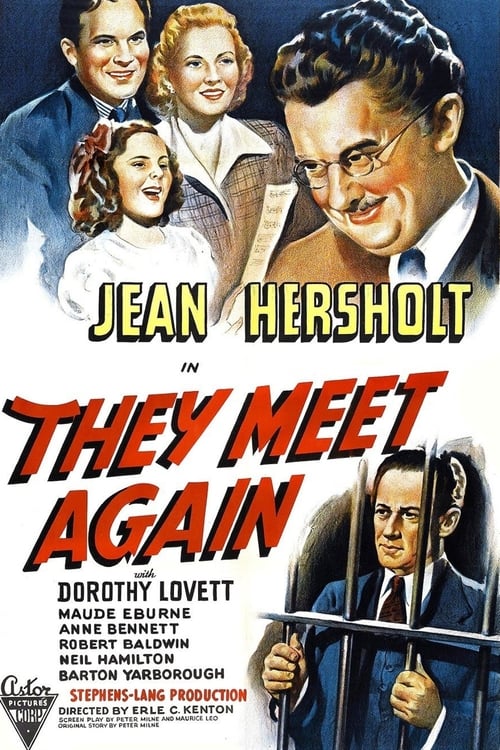
1941

1934

1936

1934

1933
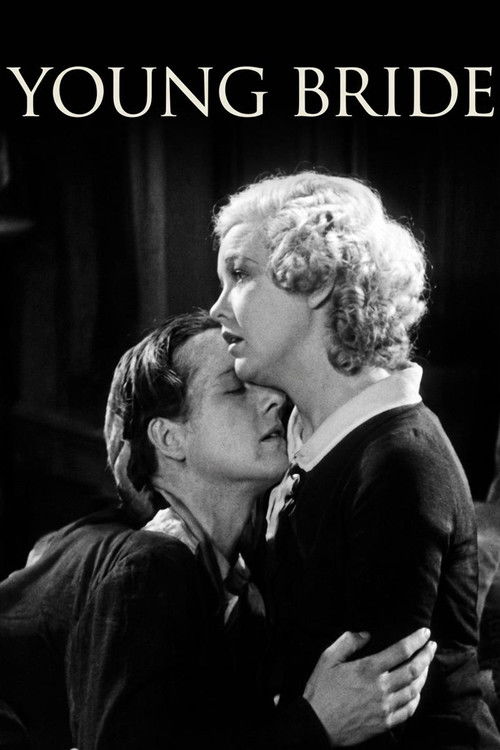
1932
No reviews yet. Be the first to share your thoughts on this movie!
Use the rating form above to leave a star rating and optional review.