Big Time
1929
No user ratings available yet
Representation score: 0.4 out of 10
Representation Score
Limited
1932
NRDirector
David Burton
Runtime
74 minutes
Average Rating
No ratings yetNew Showbiz Analysis
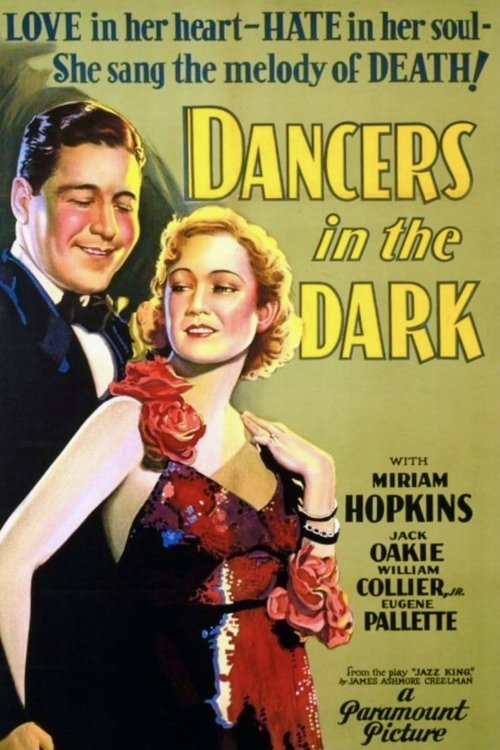
Dancers in the Dark is a conventional 1930s melodrama that relies heavily on established clichés of romantic competition and criminal interference. The narrative structure prioritizes traditional hierarchies, offering little room for diverse perspectives or the disruption of social norms. The film's focus on a female dancer being pursued by a bandleader and a gangster reinforces the gender dynamics of the era. This creates a story where women are primarily objects of male competition rather than autonomous agents. Overall, the production reflects the homogeneous and traditional storytelling standards of the Pre-Code era, lacking efforts toward narrative subversion or diverse representation.
Category Breakdown
The story revolves around a romantic rivalry among a bandleader, a dancer, and a musician. It does not include non-cisgender identities or critiques of the assumption that everyone is straight or cisgender.
The plot centers on a female dancer who becomes the object of desire for several men. This suggests that the woman's role is secondary to the competing interests of the male characters.
The film follows the homogeneous casting practices common in early 1930s studio productions. There is no evidence of significant character's ability to drive the story for non-white actors.
The story uses a standard framework involving organized crime and professional ambition, which aligns with the social norms of the time.
There is no indication of characters with physical or neurodivergent disabilities in the film.
Present on Screen
Limited or Absent
Official Synopsis
A bandleader tries to romance a dancer by sending her boyfriend, a musician, out of town. However, things get complicated when he finds out that a gangster has designs on her too.
1929
1937
1934
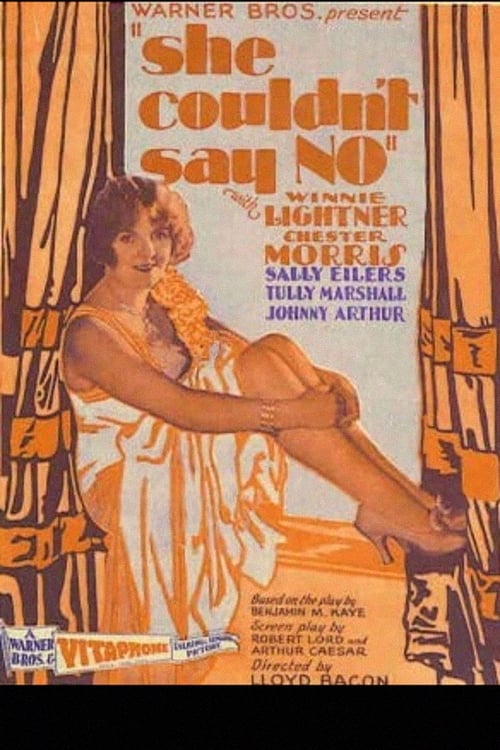
1930
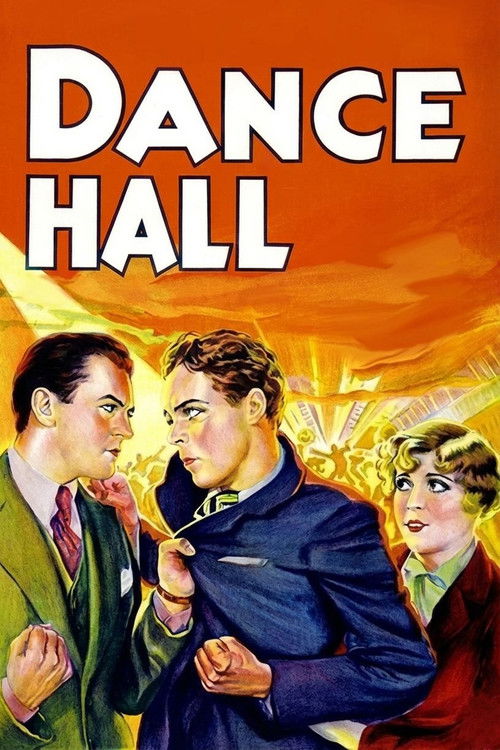
1929
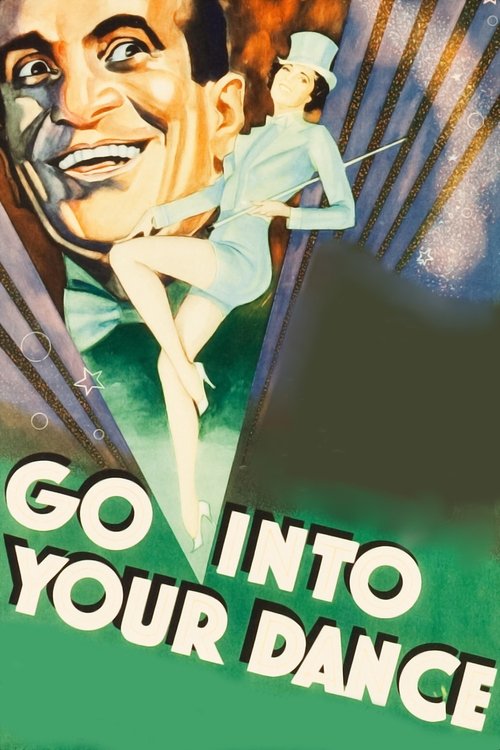
1935
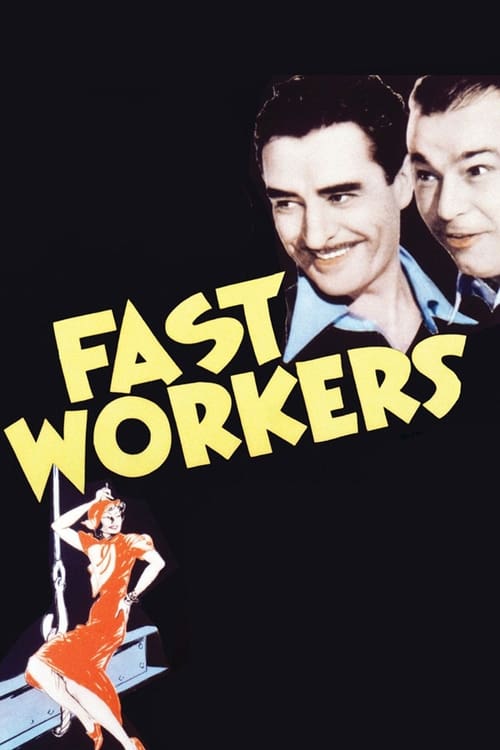
1933
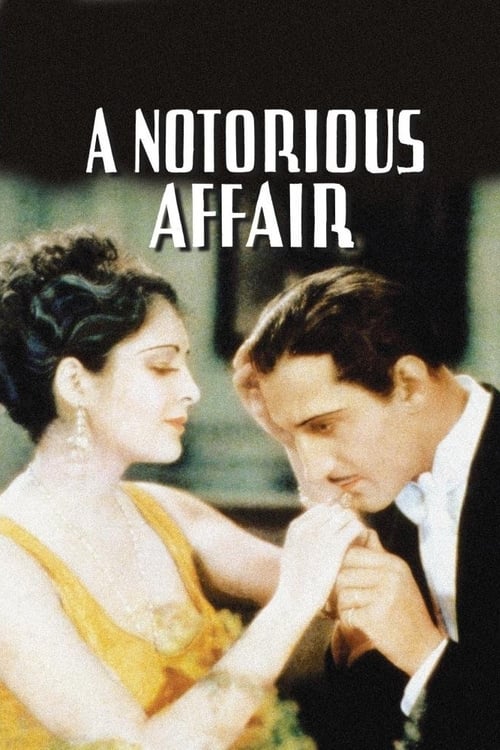
1930
No reviews yet. Be the first to share your thoughts on this movie!
Use the rating form above to leave a star rating and optional review.