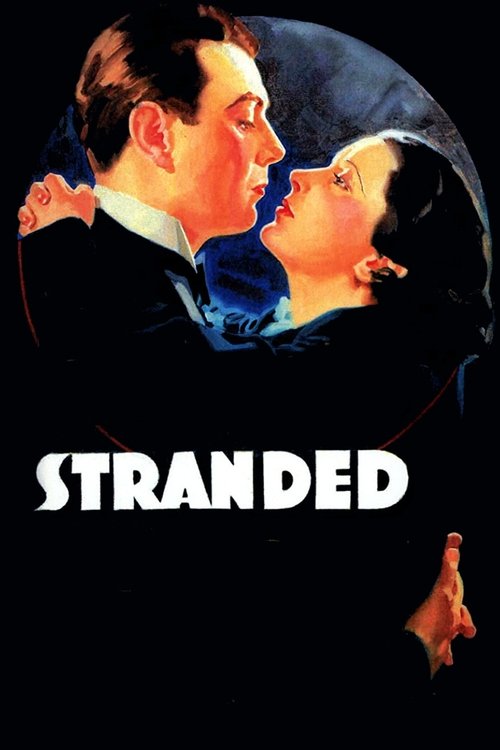
Stranded
1935
No user ratings available yet
Representation score: 1.9 out of 10
Representation Score
Minimal
1936
ApprovedDirector
John G. Blystone
Runtime
77 minutes
Average Rating
No ratings yetNew Showbiz Analysis
The film operates as a typical 1930s melodrama, relying on well-established archetypes such as the 'gold-digger' and the 'virtuous landlady.' It prioritizes moral lessons about personal responsibility over exploring diverse identities. While the steel mill setting provides a backdrop of working-class struggle, the narrative remains narrow, reinforcing the social hierarchies of its time by focusing on individual redemption and traditional community bonds. Ultimately, the production lacks depth in representing diverse identities, presenting a homogeneous view of society that aligns with the rigid social and moral frameworks of the mid-1930s.
Category Breakdown
The film does not include any LGBTQ+ characters or stories. Romantic tension is confined to a traditional heterosexual relationship.
Women are primarily defined by their relationships to men, serving as either seductive temptations or moral anchors. The narrative upholds traditional gender roles without challenging them.
The cast appears uniform, with no non-Anglo-Saxon characters in significant roles. The industrial setting does not offer a platform for diverse representation.
The story follows a traditional moral framework emphasizing individual redemption and communal accountability. It focuses on personal responsibility rather than systemic issues.
No physical or cognitive disabilities are shown. Characters are defined by their moral standing and social roles within the community.
Present on Screen
Limited or Absent
Official Synopsis
A love triangle forms the basis of this drama. It all begins in a steel mill when a steel worker ignores the besotted gazes of his landlady at the boarding house and falls in love with a gold-digger. His best friend also finds himself smitten by the seductive young woman. But when the one of the workers fritters away a collection that had been taken up for the wife of a deceased co-worker on a foolish bet, he and the vamp take off until the good-hearted landlady intervenes and convinces them to stay and take their lumps.
1935
1940
1930
1935
1939

1934

1934
1933
No reviews yet. Be the first to share your thoughts on this movie!
Use the rating form above to leave a star rating and optional review.