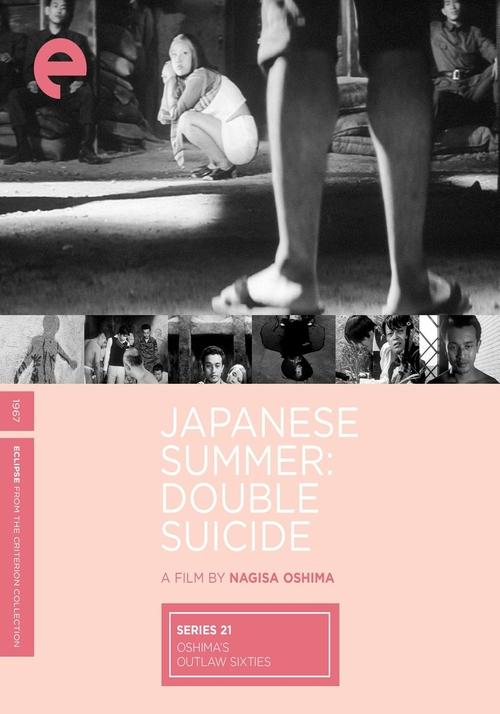
Japanese Summer: Double Suicide
1967
No user ratings available yet
Representation score: 6.8 out of 10
Representation Score
Fair
1986
Director
Hisayasu Satō
Runtime
60 minutes
Average Rating
No ratings yetNew Showbiz Analysis
Hisayasu Satō’s film is a dark, fatalistic exploration of a doomed romance. It prioritizes psychological depth and the deconstruction of social taboos over broad demographic representation. The inclusion of real 8mm footage adds a layer of existential realism that challenges traditional morality. While the film lacks racial or disability-based diversity, it excels in cultural complexity. It uses a tragic, real-life foundation to critique the sanctity of social institutions and explore the fringes of human experience. Ultimately, the work functions as a transgressive study of individual roles amidst systemic despair, rather than a diverse ensemble piece.
Category Breakdown
The film centers on a doomed romance between two college students. While it explores intense intimacy, it lacks explicit markers of non-traditional gender identities.
The narrative focuses on the emotional volatility and tragic roles of its protagonists. It disrupts traditional romantic clichés by emphasizing fatalistic consequences over domestic stability.
As a Japanese production, the film adheres to the demographic realities of its 1980s setting. It does not feature non-majority casting or race-bending.
Satō uses 8mm experimental footage to blur fiction and reality. The film critiques social stability by prioritizing individual psychological struggle over traditional societal norms.
There is no mention of characters with physical or neurodivergent disabilities within the narrative.
Present on Screen
Limited or Absent
Official Synopsis
The true story of a pair of college students who attempted a double suicide to end their doomed romance becomes fare for legendary pinku-eiga director Hisayasu Sato in this feature. Fatalistic and sad, this is one of the more depressing Japanese softcore films, and Sato makes it even worse by including footage from the lovers’ actual 8 mm experimental film throughout the story
1967

1997
2018
2005
2015
1980
1999

1969
No reviews yet. Be the first to share your thoughts on this movie!
Use the rating form above to leave a star rating and optional review.