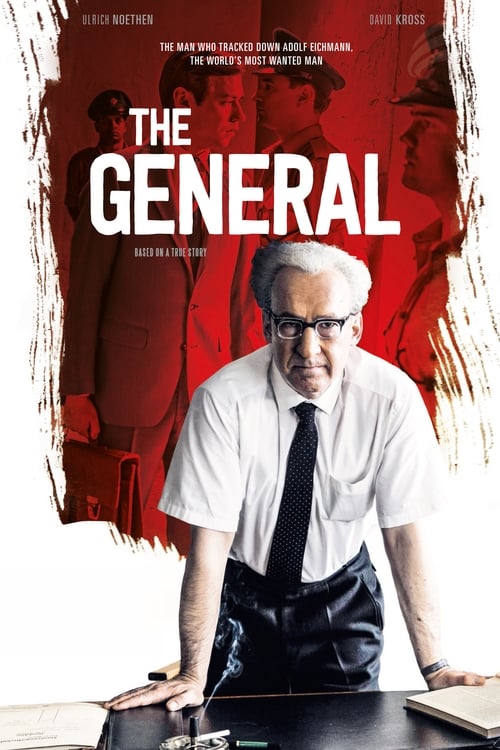
The General Case
2016
No user ratings available yet
Diversity score: 5.5 out of 10
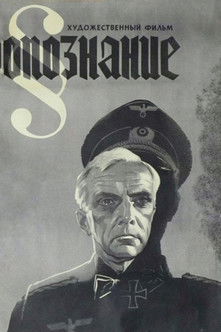
1974
16Director
Leonid Menaker
Runtime
110 minutes
Average Rating
No ratings yetSynopsis
Baron Karl Ludwig von Oster, the owner of a giant concern, one of the industrial magnates of Germany, convicted at the Nuremberg trials, was released by the American military administration and is now testing new weapons. The film is based on a judicial duel between a war criminal and journalist Ingrid Kuhn, the daughter of Professor Peter Kuhn, who paid with his life to prevent Auster from getting atomic weapons into his hands...
Overall Score
Fair
Category Breakdown
LGBTQ+ Representation
The film lacks explicit evidence of LGBTQ+ identities or non-heteronormative dynamics. The narrative focus remains strictly on the adversarial conflict between the protagonist and antagonist.
Gender Representation
Ingrid Kuhn serves as a primary agent of justice, driving the investigative conflict against a powerful industrial magnate. This subverts traditional patriarchal tropes by granting the female lead significant agency.
Racial & Ethnic Diversity
The story operates within a Western-centric historical framework focused on German and American institutions. It lacks significant racial or ethnic breadth within its post-WWII setting.
Religious & Cultural Diversity
The film offers a sophisticated critique of the military-industrial complex and capitalist corruption. It examines the moral implications of reintegrating war criminals into the global economy.
Disability Representation
There is no documented evidence regarding the portrayal of physical or neurodivergent disabilities in this work.
Strengths
Areas for Improvement
AI Analysis
Identification is a historical drama that finds its strength in thematic depth rather than demographic breadth. It excels at using its setting to critique systemic corruption and the intersection of capitalism and military power. By centering a female journalist in a high-stakes investigative duel, the film challenges traditional gender hierarchies common in the genre. However, the film is limited by its narrow historical focus. The narrative is deeply rooted in a specific European context, which results in a lack of racial and ethnic diversity. Additionally, there is no visible representation of LGBTQ+ identities or disability. Ultimately, the film is a targeted social critique. While it lacks a wide spectrum of identity representation, its subversion of power structures and female agency provides a meaningful perspective on post-war accountability.
2016
1988

1961
1982
1956

1981
1993
2008
1962

2014
1964
1983
No reviews yet. Be the first to share your thoughts on this movie!
Use the rating form above to leave a star rating and optional review.