
Bisbee '17
2018
No user ratings available yet
Representation score: 3.2 out of 10
Representation Score
Fair
2021
Director
Michael Hull
Runtime
83 minutes
Average Rating
No ratings yetNew Showbiz Analysis
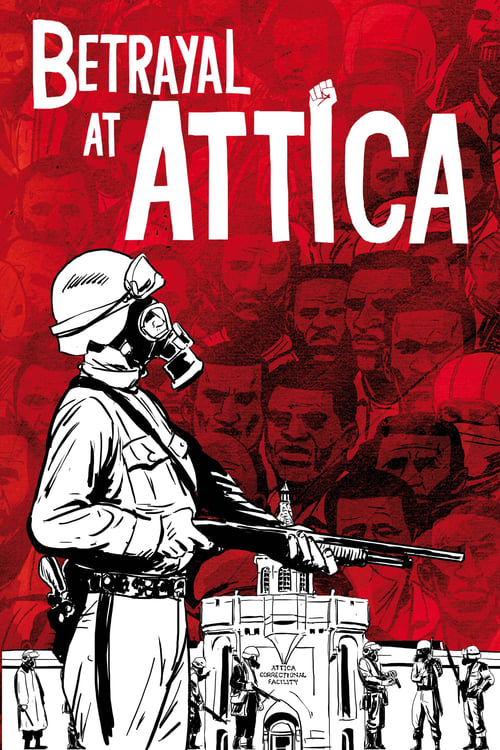
Betrayal at Attica functions as a powerful critique of traditional power structures and state-sanctioned violence. Its primary strength lies in deconstructing official historical accounts to reveal systemic injustice and institutional corruption. The documentary succeeds by centering the struggle for racial justice and the ability to act of those fighting against state oppression. By focusing on the legal advocacy of Elizabeth Fink, it also provides a necessary disruption of gendered power dynamics. However, the film's diversity impact is limited by a lack of specific representation regarding LGBTQ+ identities and disability. These missing narrative anchors prevent a higher overall score despite the strong thematic focus on civil rights.
Category Breakdown
The film does not explicitly confirm the presence of LGBTQ+ characters or non-assuming gender matches what was assigned at birth narratives. Without verified evidence of these specific identities, no score is assigned.
Elizabeth Fink serves as a central figure of legal strength. Her role in challenging masculine-coded state institutions disrupts traditional power hierarchies.
The narrative focuses on the Attica rebellion, a struggle rooted in civil rights and the ability to act of incarcerated people of color. It prioritizes underrepresented perspectives against systemic oppression.
The documentary offers a sharp critique of Western institutional integrity. It explores the tension between state authority and individual rights by framing established systems as inherently flawed.
While the film mentions the torture of survivors, there is insufficient detail to evaluate disability as a distinct narrative category. The focus remains on physical and psychological trauma.
Present on Screen
Limited or Absent
Official Synopsis
On September 13, 1971 the State of New York shot and killed 39 of its own citizens, injured hundreds more, and tortured the survivors. Elizabeth Fink tells the story of the Attica prison rebellion, and how she exposed the cover up.
2018
2012
2012

2003
2012
2004
2006
1968
No reviews yet. Be the first to share your thoughts on this movie!
Use the rating form above to leave a star rating and optional review.