
Forbidden to Forbid
2007
No user ratings available yet
Representation score: 8.3 out of 10
Representation Score
Good
2003
RDirector
Héctor Babenco
Runtime
145 minutes
Average Rating
No ratings yetNew Showbiz Analysis
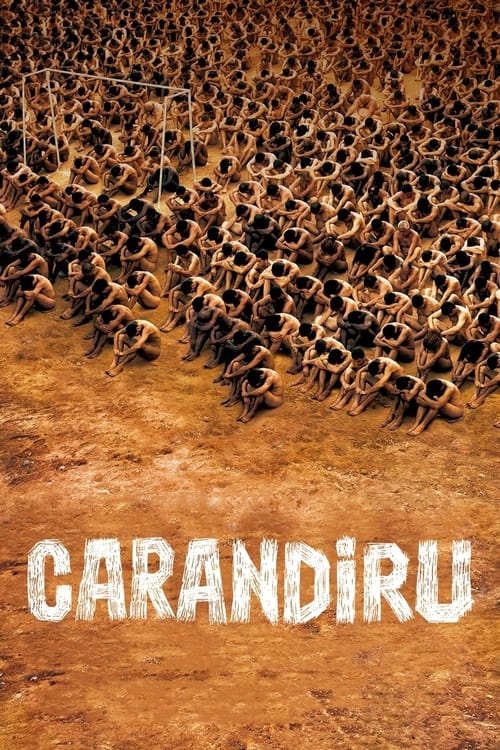
Carandiru is a powerful work of social realism that dismantles institutional power structures. It presents a nuanced portrayal of the Brazilian population, moving beyond simplistic moralistic clichés to examine systemic failures. The film's strength lies in its refusal to treat underrepresented identities as mere plot devices. However, the hyper-masculine setting naturally restricts gender diversity, reflecting the historical reality of the Carandiru prison but limiting the film's representative breadth.
Category Breakdown
The film incorporates queer identities into the prison's social structure without relying on them for shock value. It portrays same-sex relationships and queer hierarchies as integral parts of the inmate community.
The story focuses on traditional masculine roles, limiting the representation of women and gender diversity. Medical staff offer an external perspective, but the setting restricts female involvement.
The film showcases the diverse, underrepresented populations of Brazil by integrating racial identities into complex socioeconomic issues. It avoids monolithic representations, highlighting the varied experiences of its characters.
The story critiques state institutions and human rights by depicting inmates as victims of systemic neglect rather than inherently criminal. It challenges traditional views of authority and justice.
The film explores physical and mental vulnerabilities through the lens of the AIDS crisis and medical missions. It avoids clichés by presenting harsh realities of health issues.
Present on Screen
Limited or Absent
Official Synopsis
When a doctor decides to carry out an AIDS prevention program inside Latin America’s largest prison: the Casa de Detenção de São Paulo – Carandiru, he meets the future victims of one of the darkest days in Brazilian history.
2007

1980

1980

2020

2022

2006

2016
2012
No reviews yet. Be the first to share your thoughts on this movie!
Use the rating form above to leave a star rating and optional review.