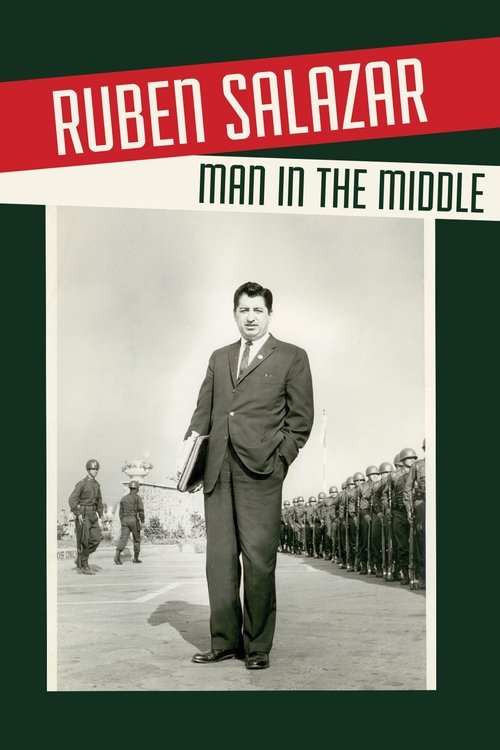
Ruben Salazar: Man in the Middle
2014
No user ratings available yet
Diversity score: 6.7 out of 10

2006
Director
Peter Miller
Runtime
80 minutes
Average Rating
No ratings yetSynopsis
SACCO AND VANZETTI is an 80-minute-long documentary that tells the story of Nicola Sacco and Bartolomeo Vanzetti, two Italian immigrant anarchists who were accused of a murder in 1920, and executed in Boston in 1927 after a notoriously prejudiced trial. It is the first major documentary film about this landmark story.
Overall Score
Good
Category Breakdown
LGBTQ+ Representation
The film focuses on historical political affiliations rather than queer identities. While anarchist ideologies often challenge social norms, there is no explicit representation of LGBTQ+ characters or arcs.
Gender Representation
The narrative is driven by male protagonists, reflecting the historical era. The film prioritizes the political and legal struggles of these men over the inclusion of female agency.
Racial & Ethnic Diversity
The documentary centers the experiences of Italian immigrants within an Anglo-Saxon legal framework. It highlights the xenophobic structures and prejudice faced by these ethnic outsiders.
Religious & Cultural Diversity
The film critiques traditional authority by exploring the tension between radical anarchism and Western legal structures. It frames state institutions through a lens of systemic inequity.
Disability Representation
There is no discernible focus on physical, neurodivergent, or mental health disabilities. The historical legal trial does not utilize disability as a primary narrative vector.
Strengths
Areas for Improvement
AI Analysis
Peter Miller’s documentary serves as a corrective historical narrative that challenges the perceived infallibility of Western legal institutions. It succeeds by centering the agency of ethnic minorities during a period of intense social friction. The film's primary strength is its deconstruction of traditional power dynamics. By focusing on the immigrant experience, it provides a necessary critique of the systemic challenges faced by those outside the dominant cultural mainstream. However, the film remains limited by its historical scope. The focus on male-driven political movements and the absence of queer or disability-related narratives results in a narrower representation of social identity.
2014
2024
2010
2017
1997

1996

2016
2007
2022
1997
2019
2017
No reviews yet. Be the first to share your thoughts on this movie!
Use the rating form above to leave a star rating and optional review.